La Cieca
l'anti-enoteca :: voto 8.5/10 :: €5 per un bicchiere di vino
Mi ha consigliato l'enoteca La Cieca Luca DiVino, mitico ex proprietario del Mombrino a Sestri Levante. E' stato bravo Luca perché La Cieca è diventata subito la mia enoteca di fiducia a Milano.
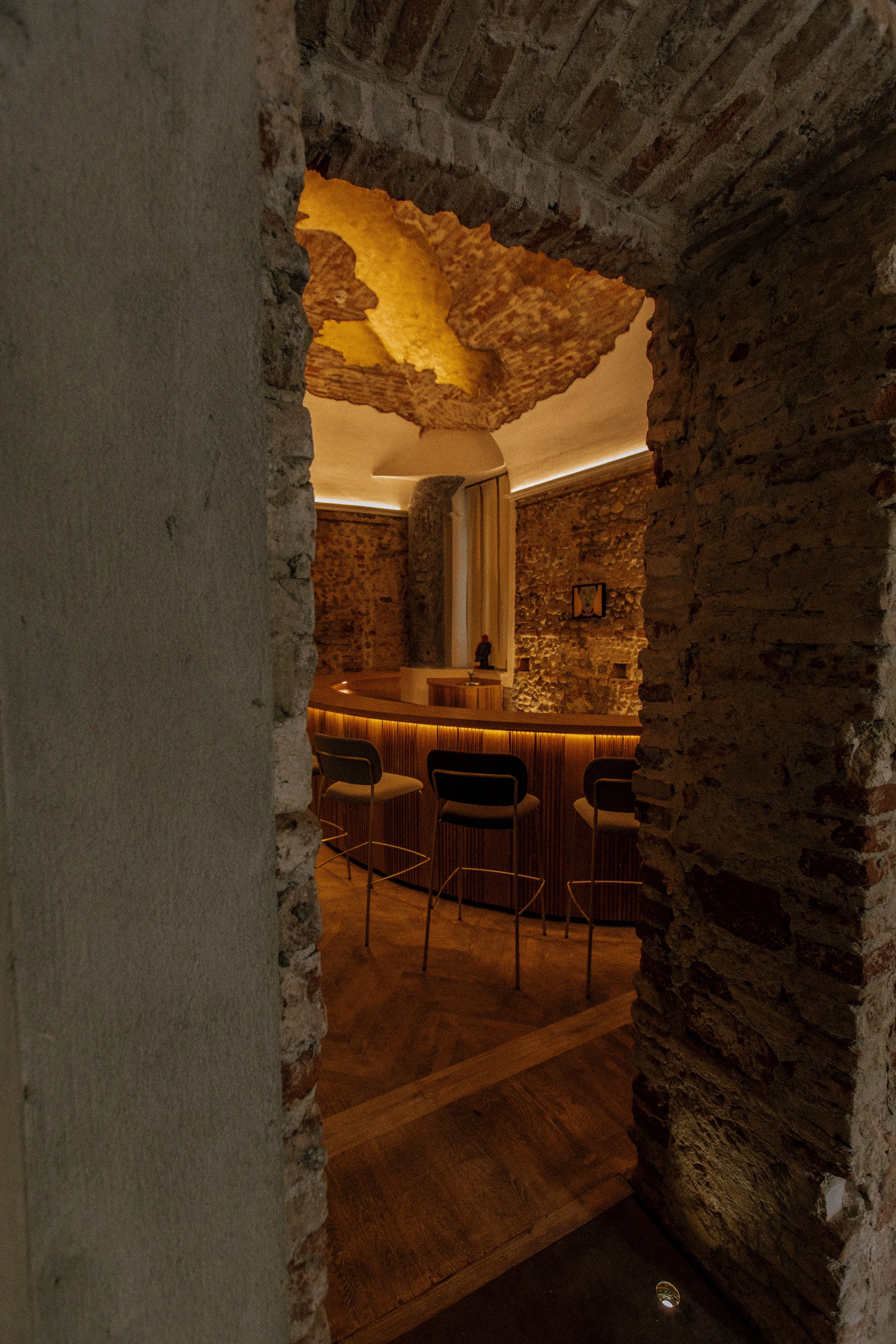
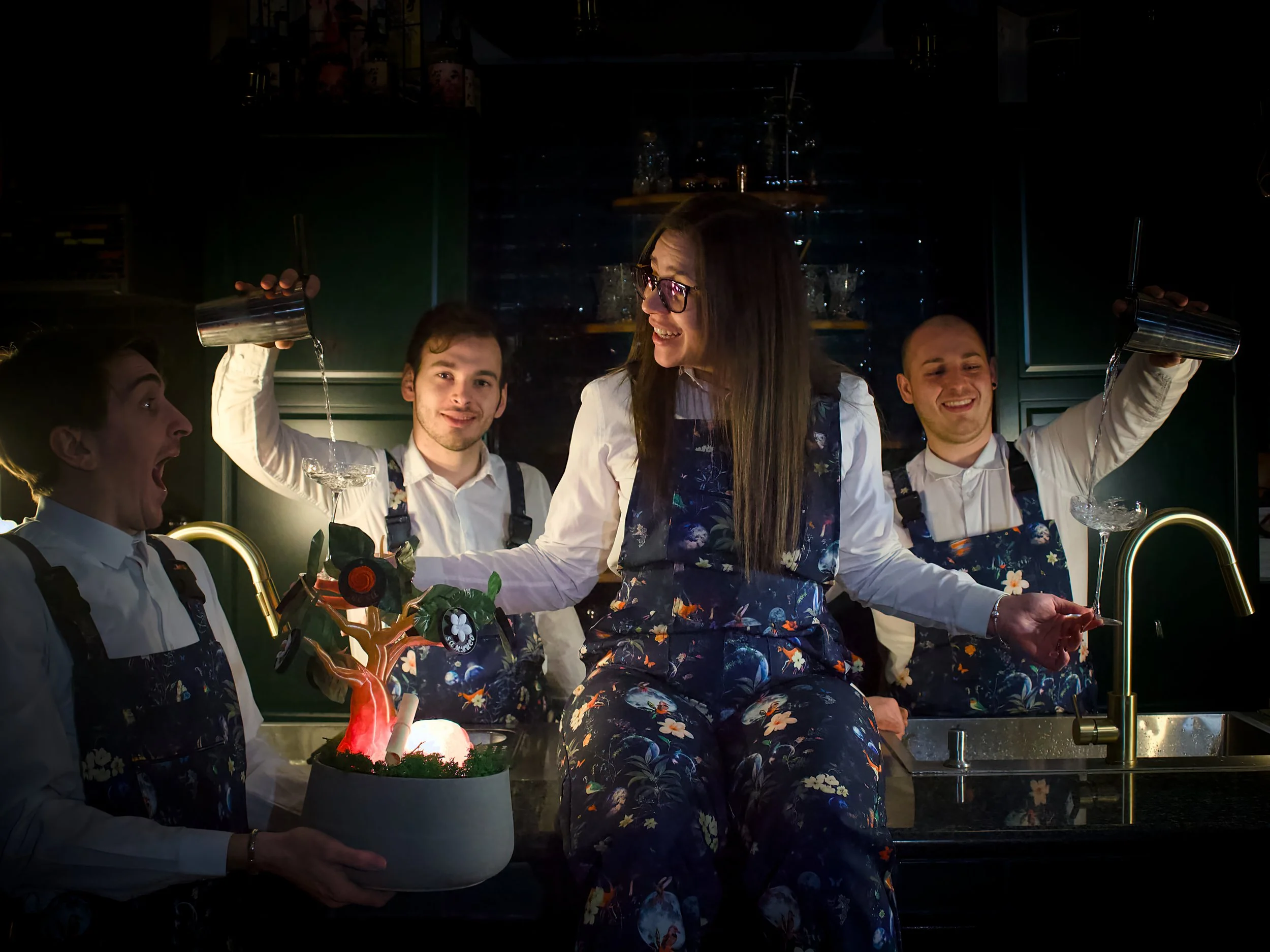
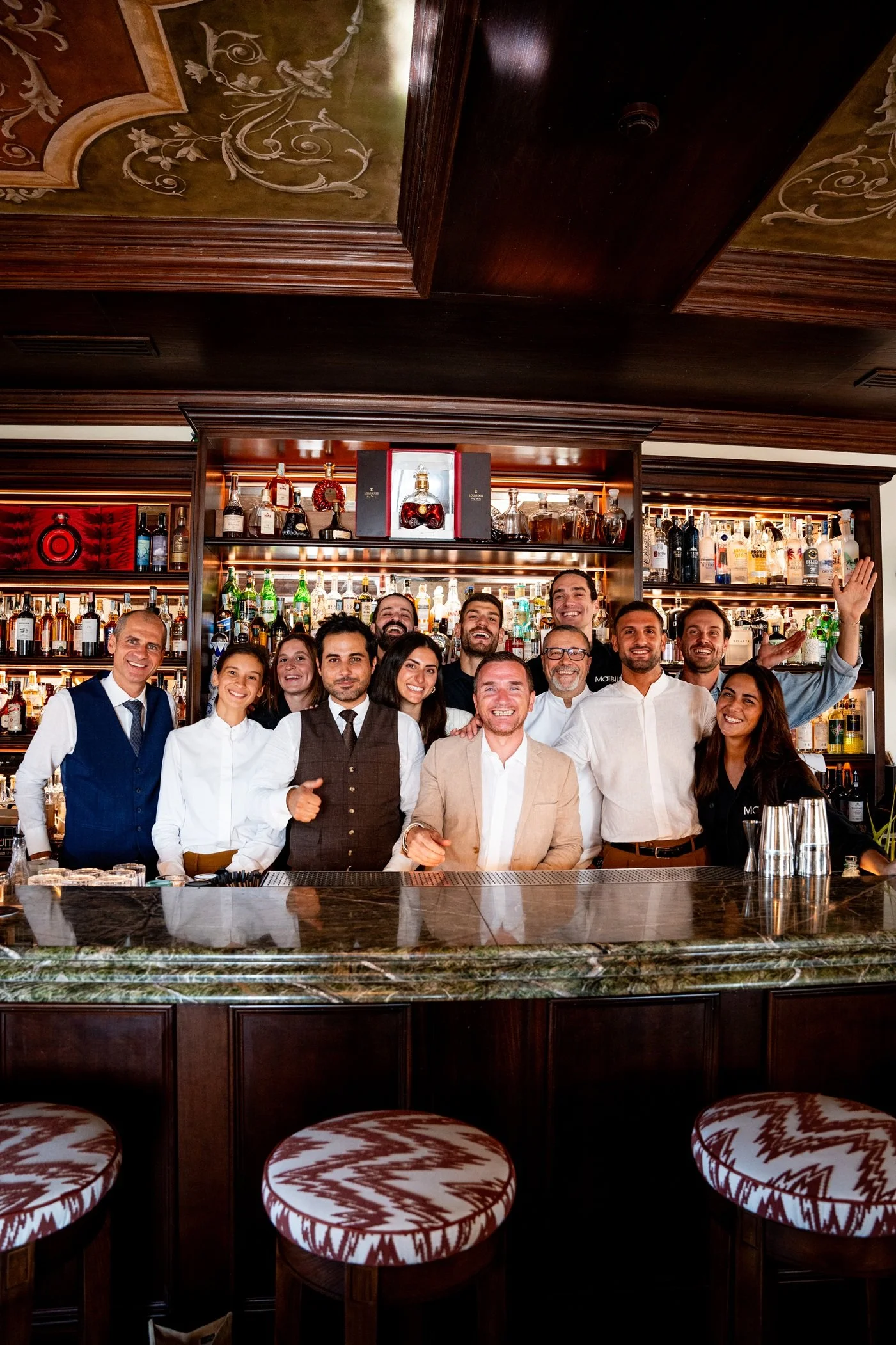
La Cieca non è la tipica enoteca: il mood è più rilassato. Lo staff è simpatico, la musica è vivace e i vini non sono commerciali. Ho fatto fatica riconoscere le varie etichette la mia prima volta - un segno che i vini sono davvero particolari. Qui focalizzano sui produttori piccoli e i vini bio. Ma questo non vuol dire che si deve sacrificare la qualità. Anzi, tutti i vini che ho provato finora sono stati ottimi. Il migliore è stato il vino bianco Stella Flora 2010 (Pecorino, Passerina, Trebbiano e Malvasia) da Maria Pia Castelli delle Marche.
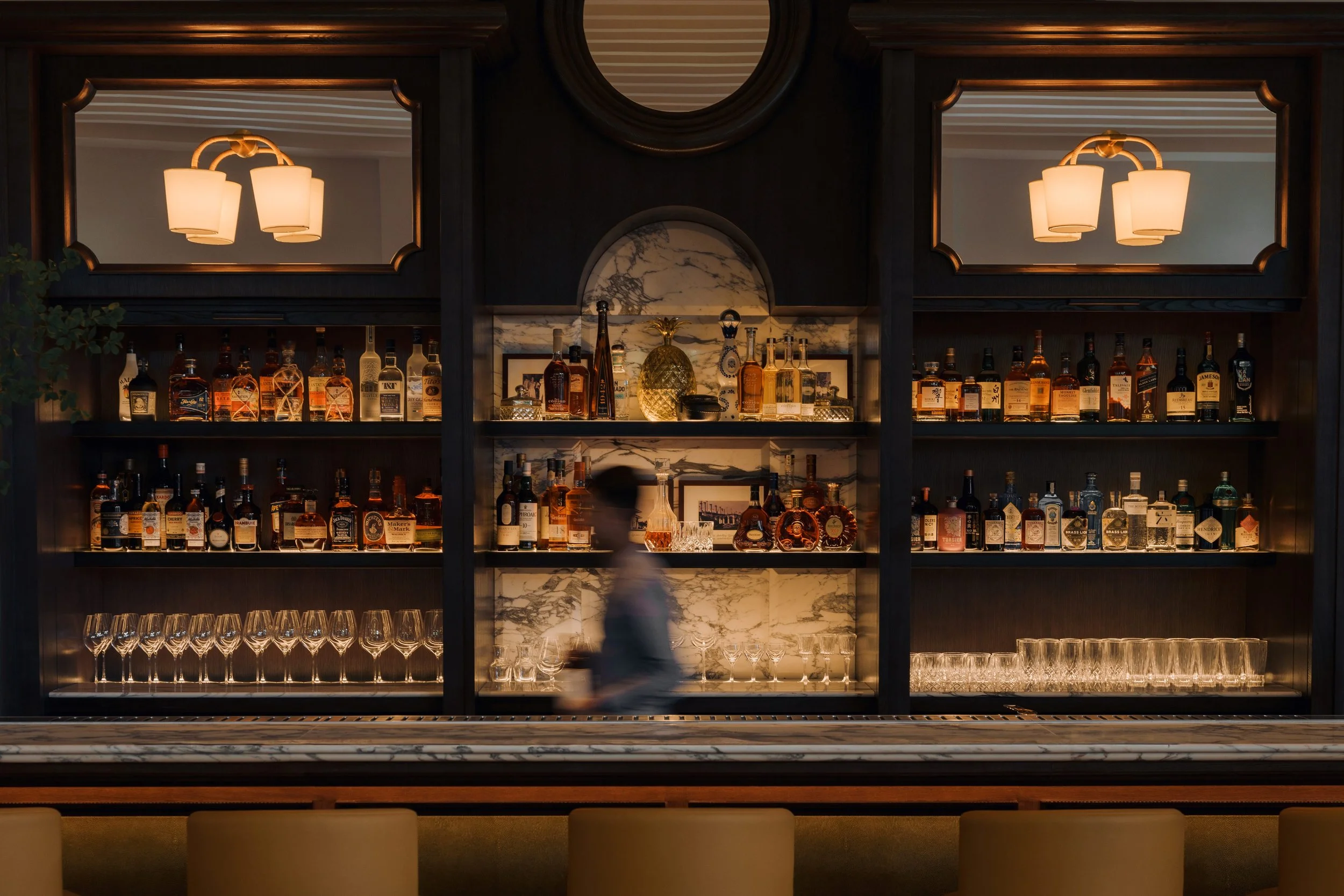
Recommended to me by Luca DiVino, the former chef and owner of Mombrino in Sestri Levante, La Cieca is my favorite wine bar in Milano. But it's not your typical enoteca: the mood is more relaxed and atmosphere is more casual, the staff is friendly, the music is cool and the wines aren't from the typical major producers. Gazing upon the dozens of bottles on display, I didn't recognize a single label - this would be an impossibility at any other italian enoteca.
At La Cieca, the focus is on smaller producers and bio wines. But that doesn't mean you have to sacrifice on quality. Quite the contrary, of the handful of wines I've tried, they have all been great. My favorite thus far is the 2010 white wine Stella Flora (a mix of Pecorino, Passerina, Trebbiano and Malvasia grapes) from Maria Pia Castelli in the Marche region.
Edgardo Umeres, Nordic Peruvian cuisine
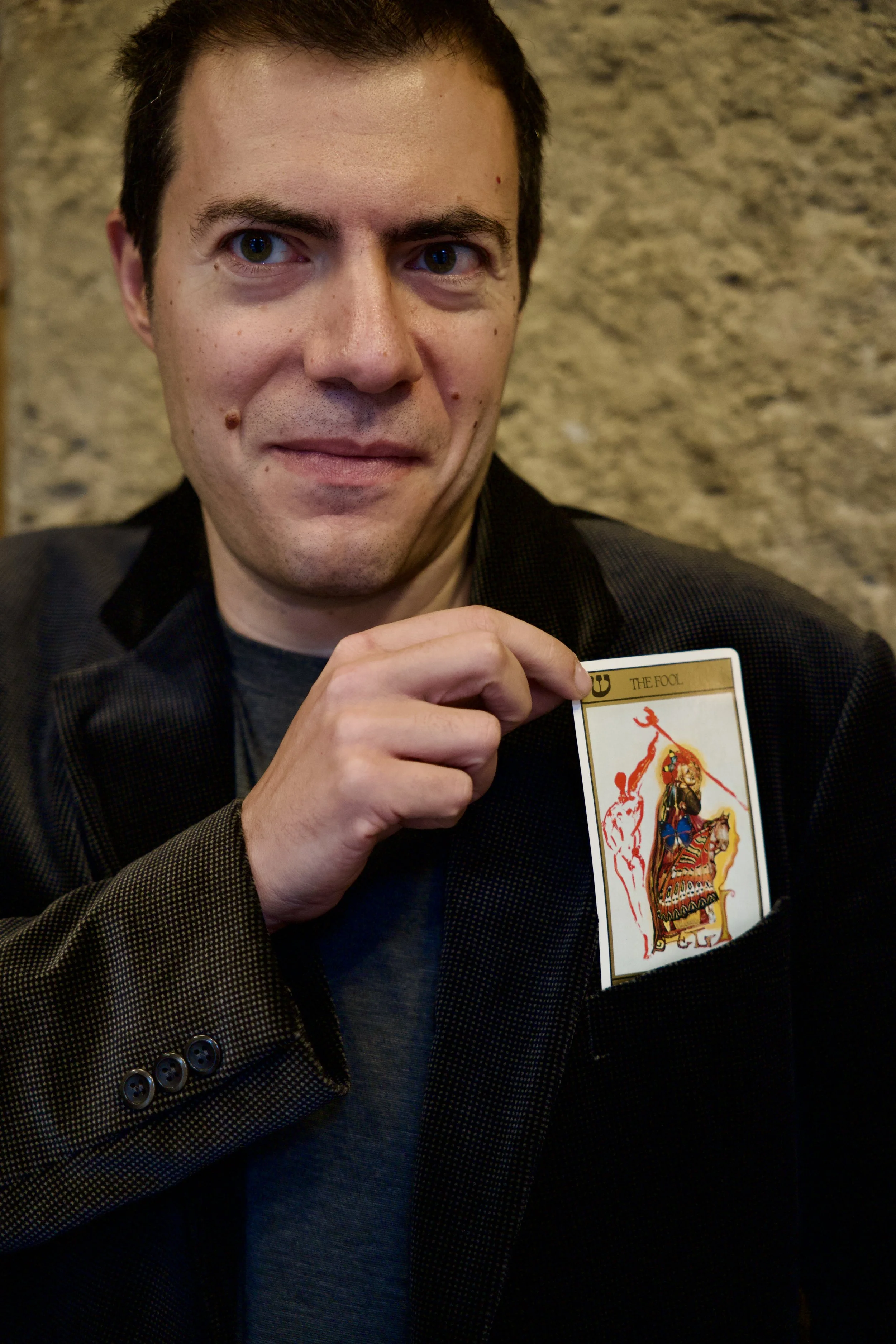
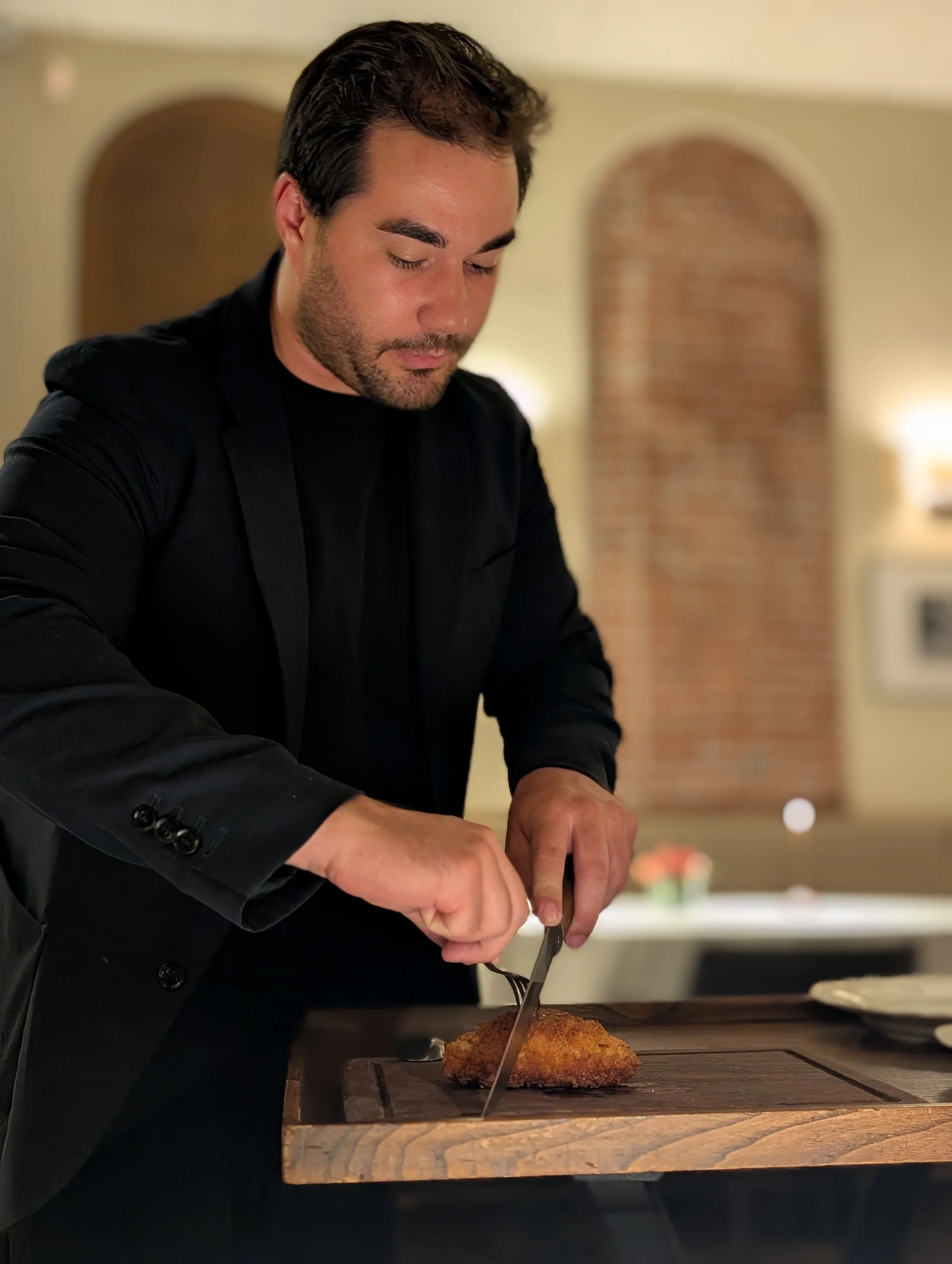
As part of the Peru feeds your soul initiative for EXPO 2015, a nice show-cooking & tasting event was held at MUDEC in Via Tortona with Peruvian chef Edgardo Umeres. Edgardo described how his cuisine is based on Peruvian roots but also heavily influenced by Scandinavia, since he has lived there for the past 20 years. He travels often, allowing him to try many different world cuisines and incorporating them in his original "Nordic Peruvian" cuisine. Although now he spends more time collaborating and consulting with restaurants, he cherishes his experience as head chef at the Grand Hotel in Stockholm, which allowed him to perfect his eclectic cooking methods. The three dishes he presented in Milano were all delicious, with complex but fresh flavors with a hint of spiciness. As a protein base, he often used quinoa, which is a delicious grain from Peru and Bolivia.
The plates included
1. Consommé of pisco with marrow.
2. Herring marinated in wild garlic and wood sorrel, tiger's milk (leche de tigre)
3. Fried herring with emulsion of dill and horseradish, berries, peperoncino peppers, and a cream of artichoke with liquorice
Also included in the tasting was a delicious Pisco Sour, the sour and refreshing Peruvian cocktail that is great for the hot summer weather.