The Hudson Rooms at Capella Hanoi
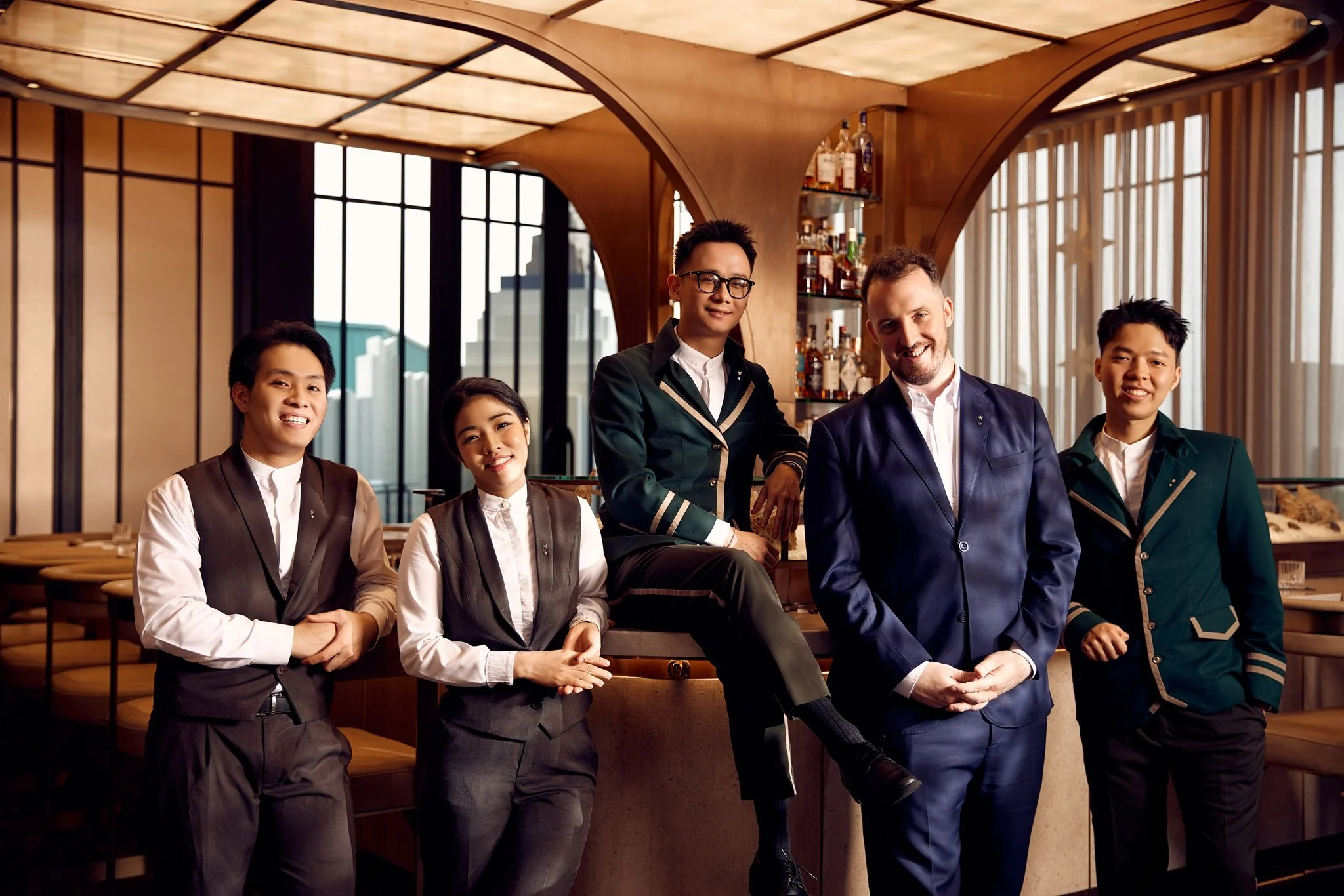
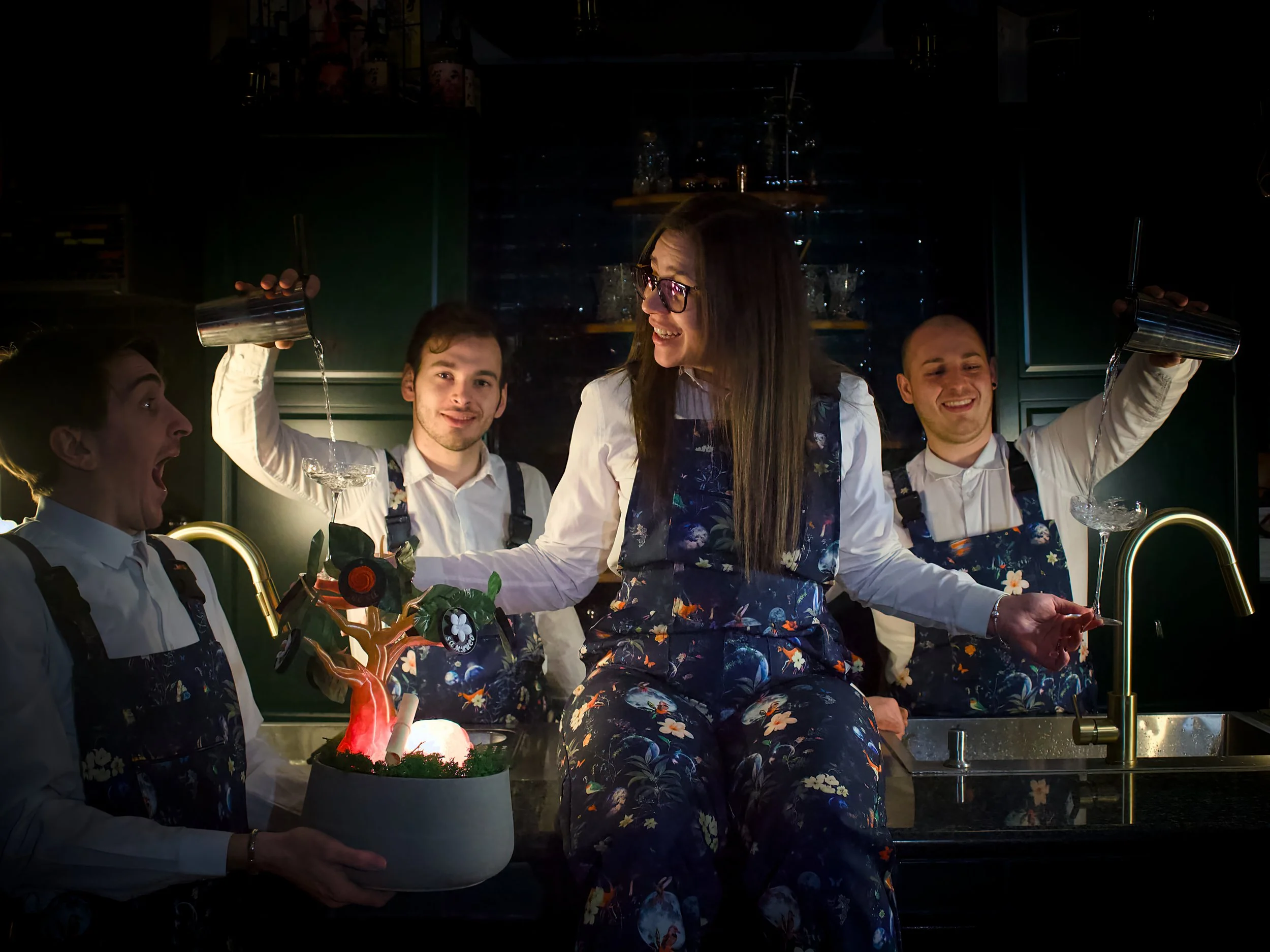
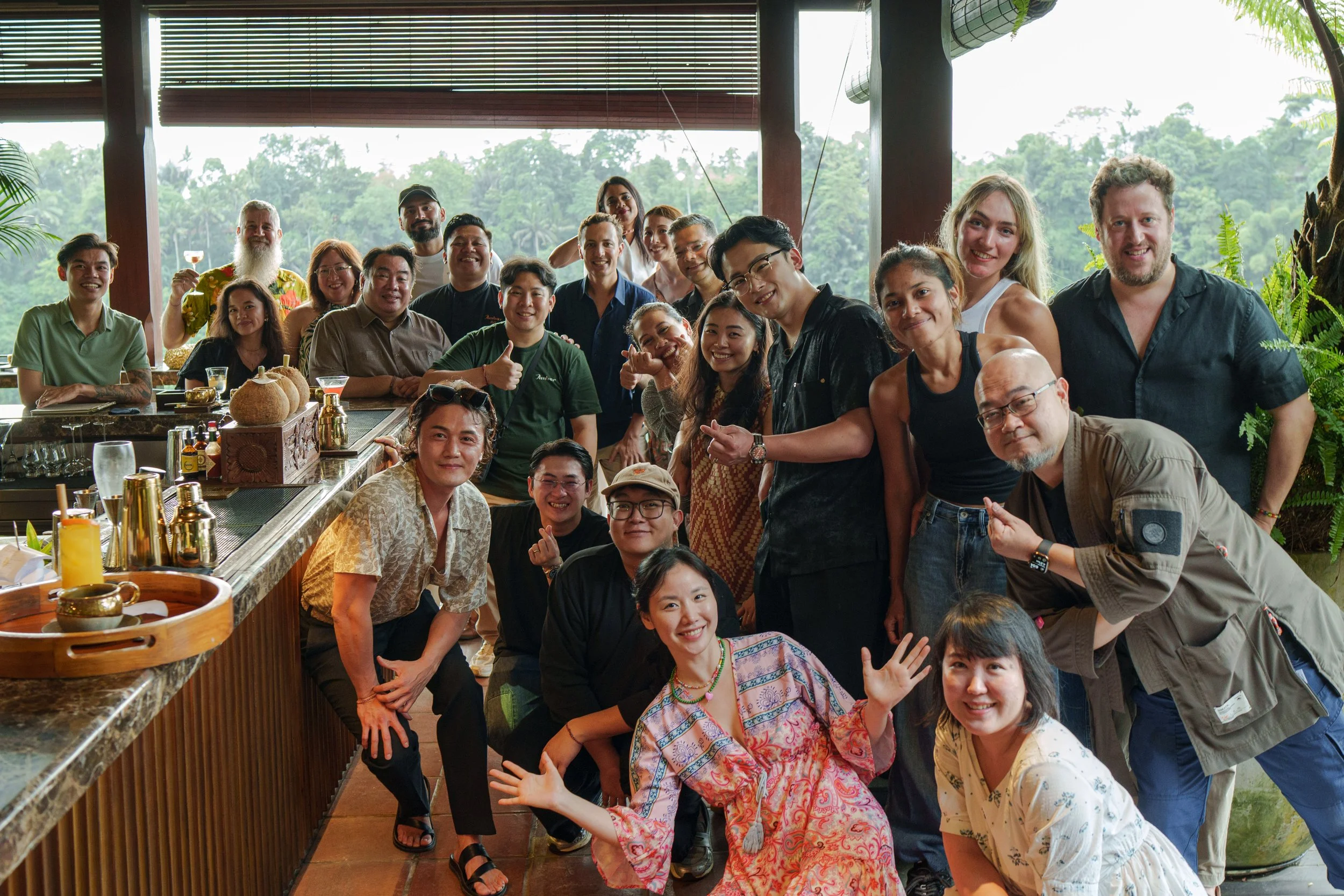
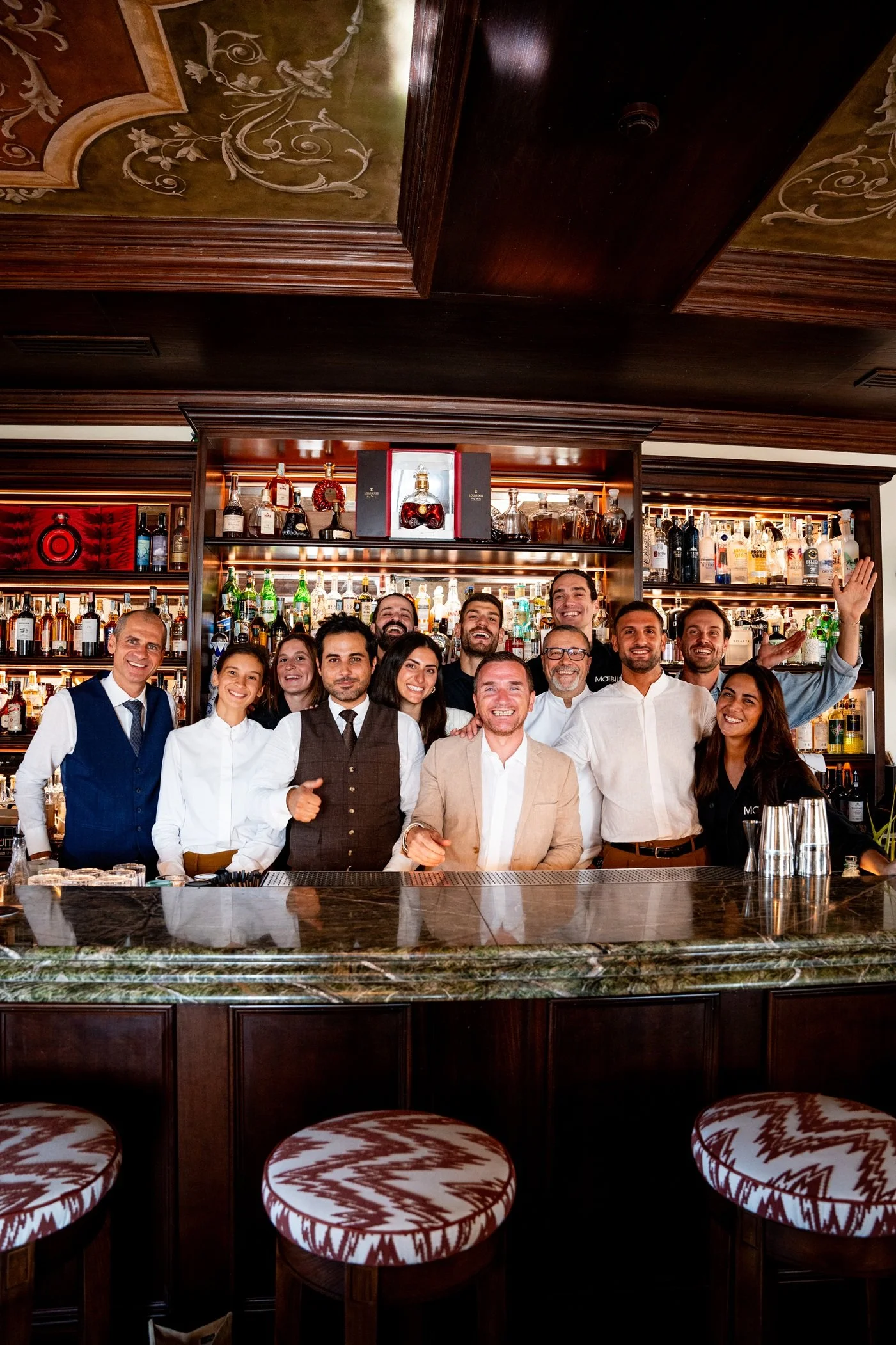
The bar team at The Hudson Rooms
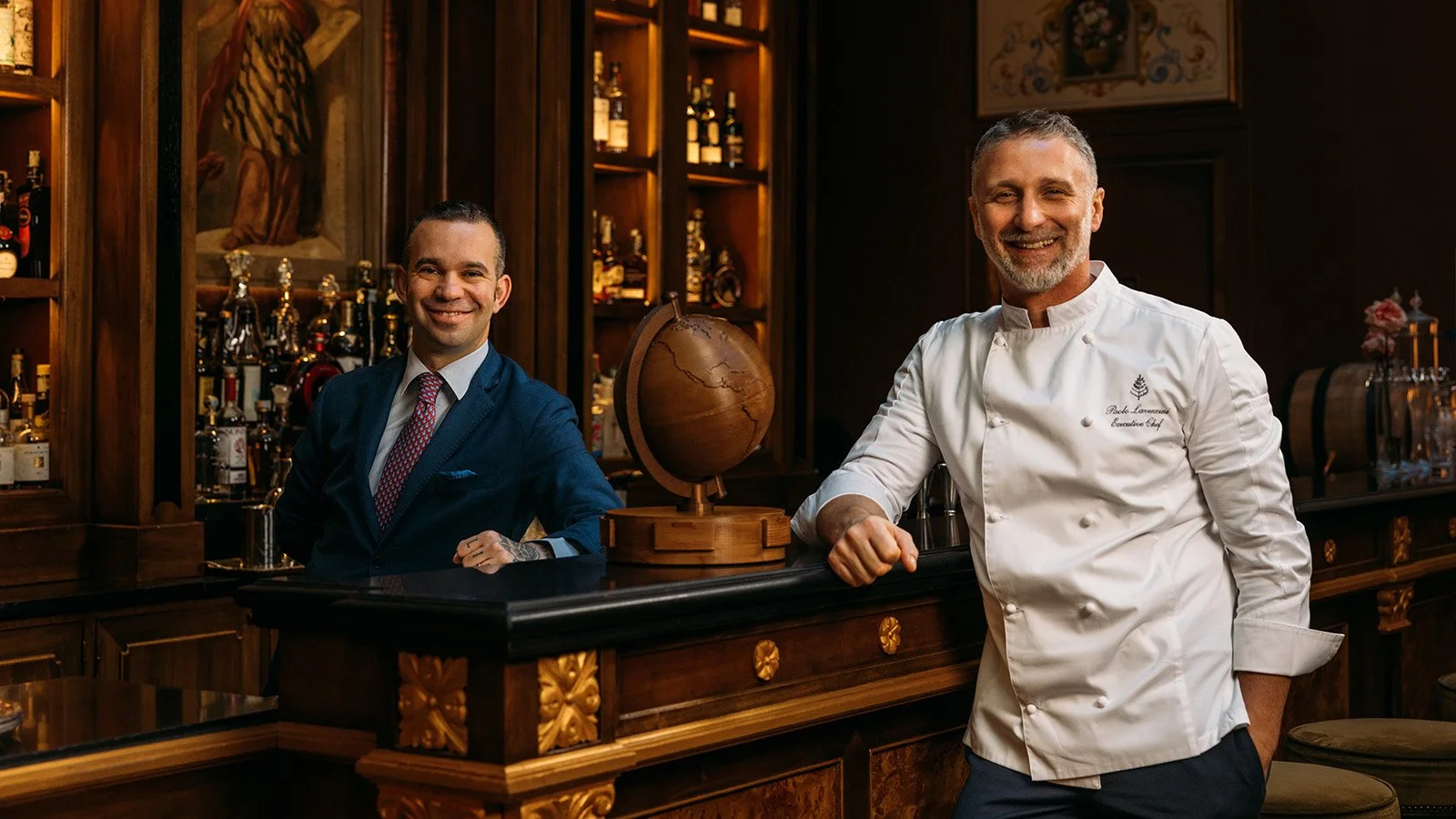
Hanoi cools gradually in the evening, and the rooftop of the Capella Hanoi is a good place to be when it does. The hotel was designed by Bill Bensley with references to the operatic golden age, an aesthetic that extends into the food and drink program run by Beverage Manager Sean Halse and head bartender Patrick Nguyen. Together, they have built one of the more accomplished bar programs in Southeast Asia, with hospitality given as much weight as the drinks themselves.
Halse's approach to hospitality is legendary. He has been known to arrange car pickup in a Capella-branded vehicle, with a Martini — the "Cartini" — served en route to take the edge off Hanoi's traffic. The format has proven popular enough to inspire imitators, and Halse has since added caviar to the offering. What comes next is anyone's guess.
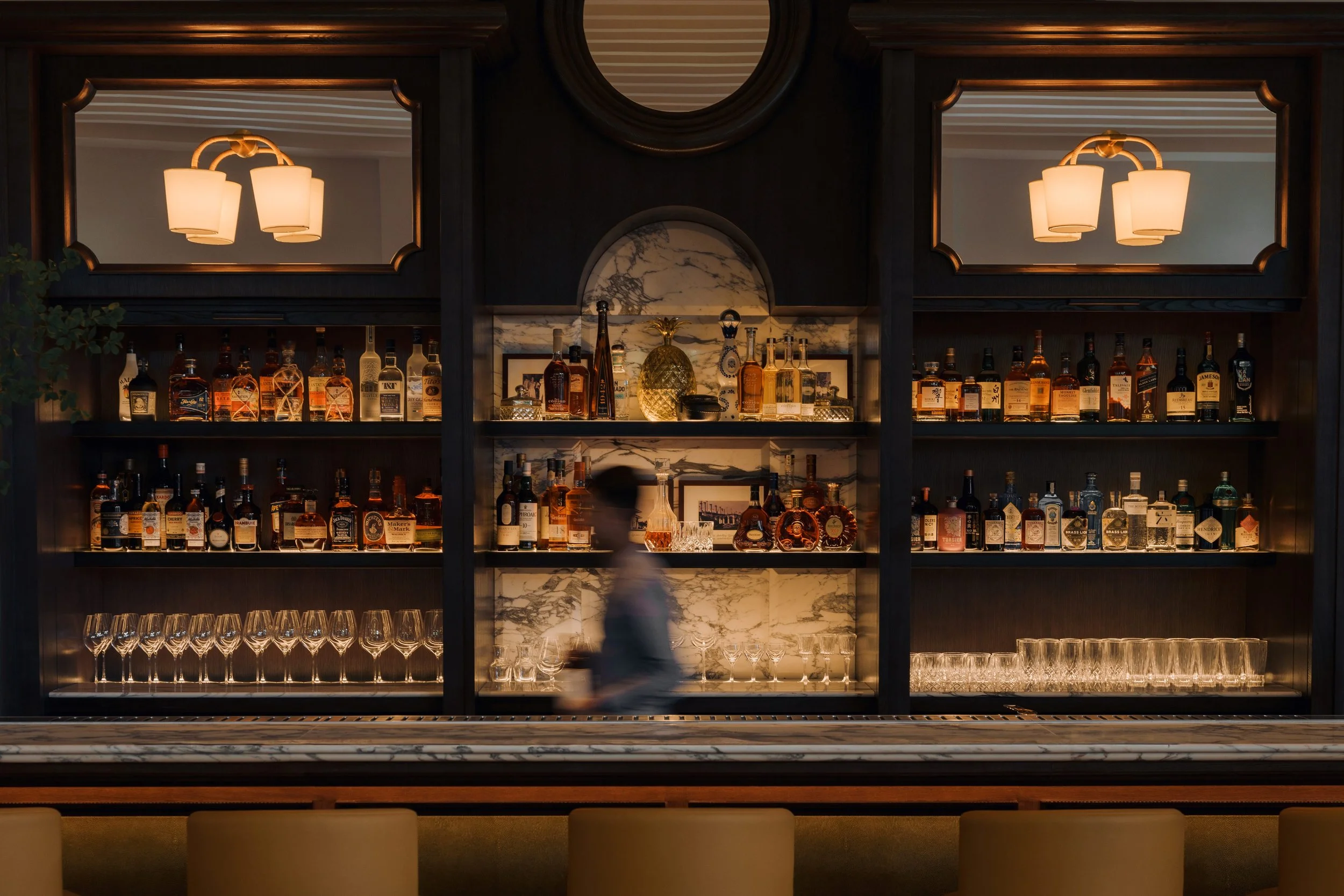
The Hudson Rooms
The hotel houses several dining and drinking options. On the ground floor, Diva's Lounge serves as a lobby bar, while Backstage offers elevated Vietnamese cuisine, including what many consider among the best pho in Hanoi. Below street level, Michelin-starred Koki focuses on teppanyaki and izakaya. Halse oversees the drinks across all venues, but the flagship is The Hudson Rooms on the top floor.
The space takes its design cues from New York's Grand Central Terminal in the 1920s — Art Deco details, marble floors, custom lighting — and its views across the Red River and the Old Quarter are genuinely impressive.
The name pays homage to Henry Hudson, the 17th-century explorer who in 1609 navigated what would become the Hudson River, then dense with oyster reefs. The connection isn't just decorative: The Hudson Rooms carries a serious oyster selection, paired with over 200 whiskies. For guests unsure where to start, the bar team has compiled a pairing guide called The Whisky Luge — one recommended pairing being Cadoret Ireland No. 3 oyster with Redbreast Potstill 12-year Irish whiskey.
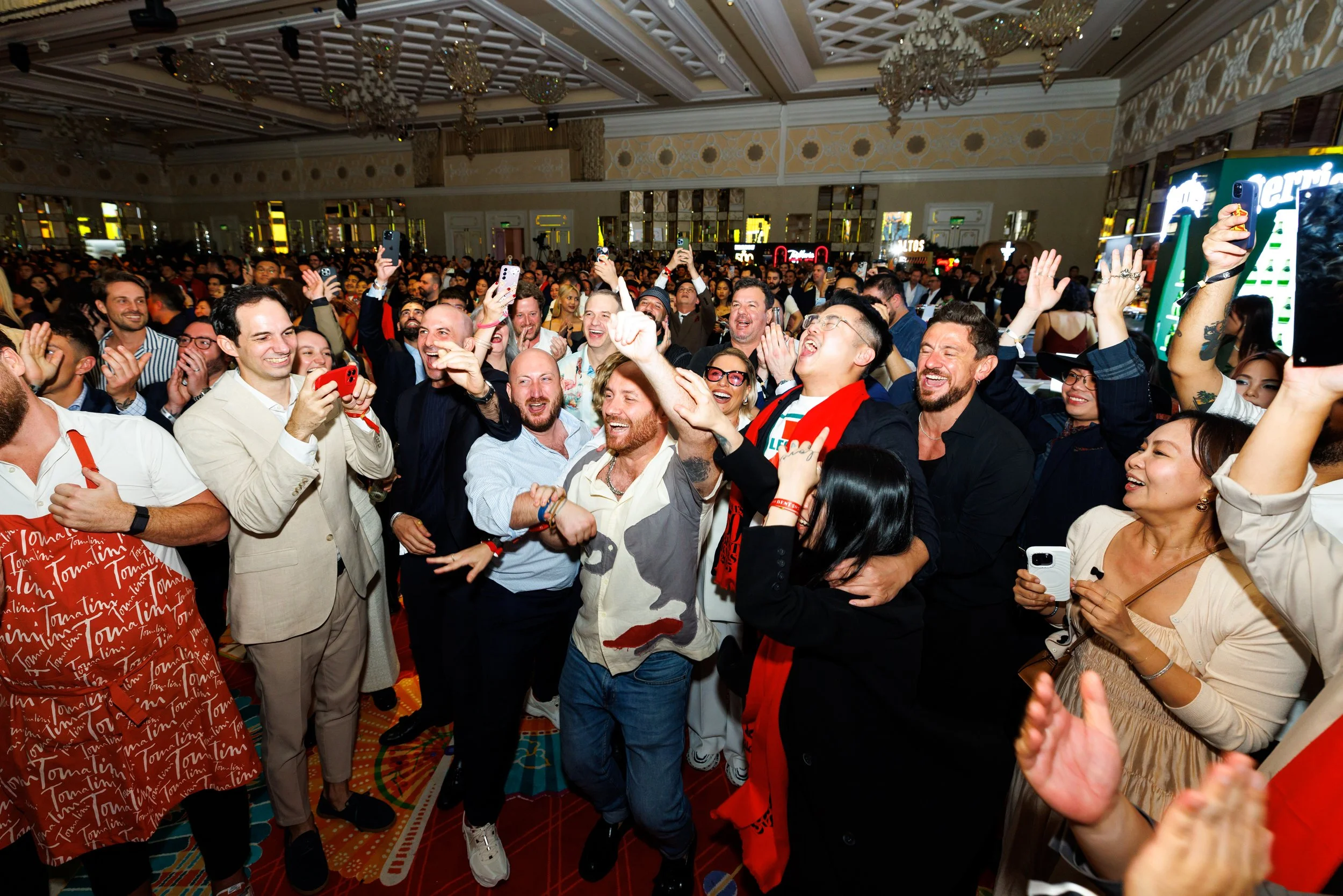
The cocktail menu takes its structure from the rail lines that once departed Grand Central, each drink loosely tied to a different American destination. The program has earned the bar a place on Asia's 50 Best Bars. A reliable measure of the kitchen's ambition is The Corner Stone — Michter's bourbon, Johnnie Walker Black, Bowmore 12, Cynar, purple rice wine, crème de cacao, and cigar tincture. It's smoky and bitter, and sits comfortably within the register of the room.
Track 61
Adjacent to The Hudson Rooms, though accessible only by invitation, is Track 61 — a private bar modeled on the concealed rail platform beneath Grand Central where President Roosevelt's train would arrive when he returned to New York. The parallel holds: entry is at the bartender's discretion, and the details of what lies inside are best left for guests to discover themselves.
What can be said is that the whiskey collection is serious — spanning rare aged expressions up to a 1950 Macallan available at 5,000 EUR per measure — and the atmosphere suits slow drinking and conversation.
The cocktail list here is equally considered. The 61 Martini blends gins with pineapple and coconut fat-washed vermouth, finished with a highly addictive deep-fried olive. The Evolution of the Manhattan traces the cocktail through its historical variations — from the 1860 original (Michter's rye, Mancino Rosso, bitters) through the Rob Roy, the Red Hook, and the lesser-known Rapscallion (Macallan 12 Double Cask, Caol Ila 12, Pedro Ximénez, Pastis) — a format that reflects Halse's genuine interest in cocktail history.
Whisky flights are also available, ranging from regional selections to a premium lineup — Macallan 18 Double Cask, Old Pulteney 21, Michter's 20, and Sullivans Cove 17 American Oak — priced at 250 EUR.
The setting at Capella Hanoi is undeniably luxurious, but Halse seems uninterested in letting that become the point. The bars at Capella Hanoi are polished without being stiff, and the level of care — from the cocktail construction to being greeted by the hotel staff by name — is consistent throughout. It's the kind of place that justifies staying later than planned.
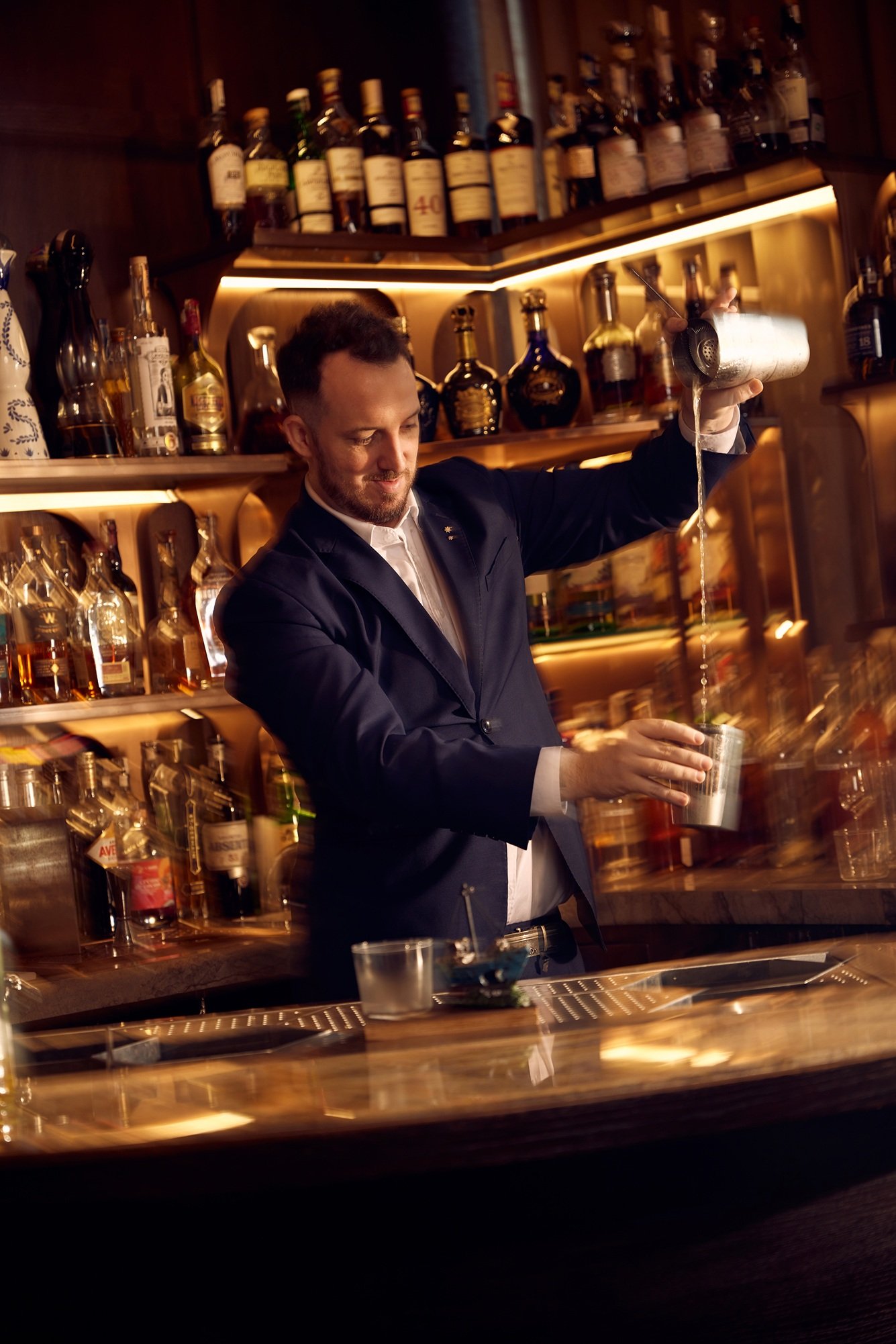
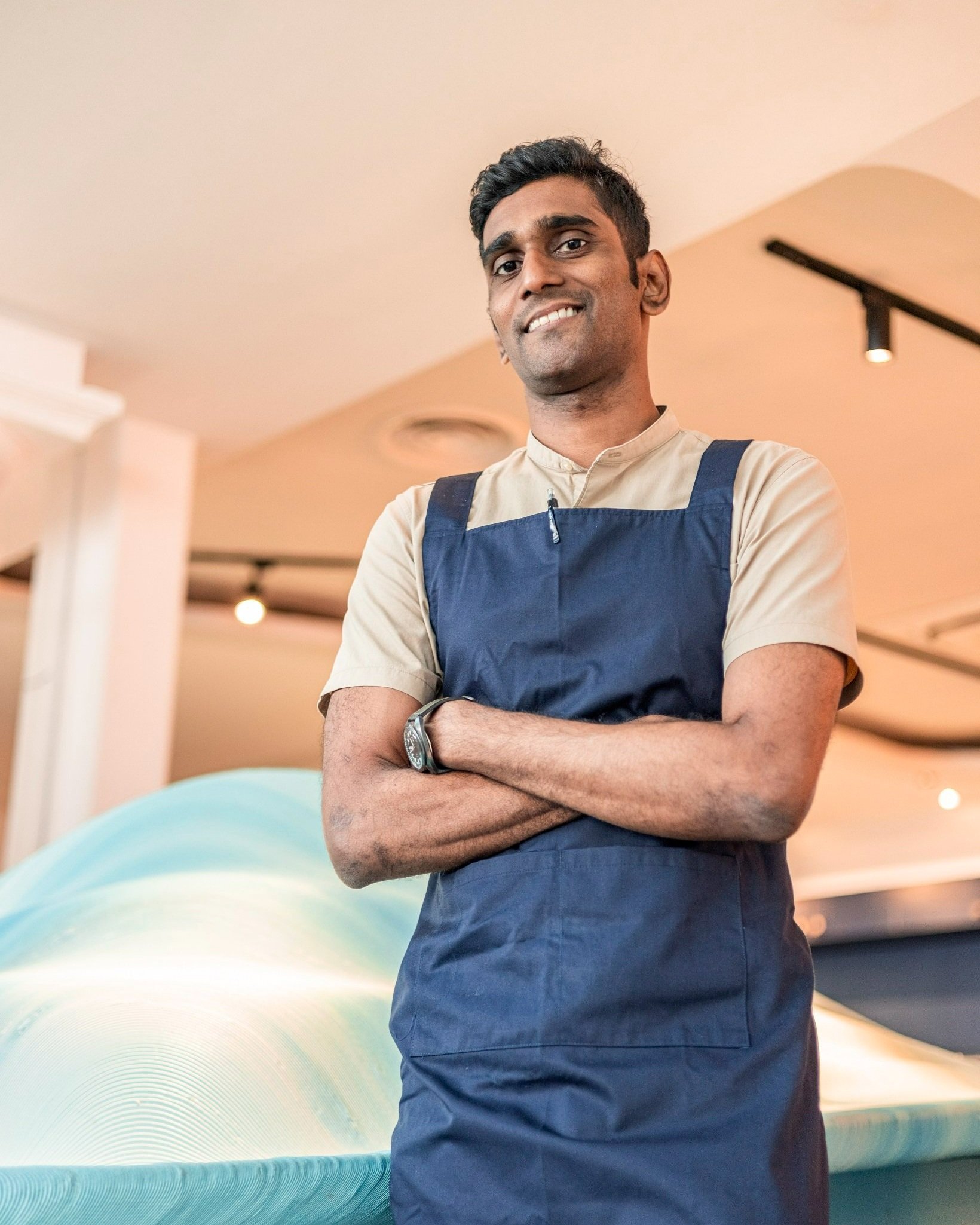
Sean Halse
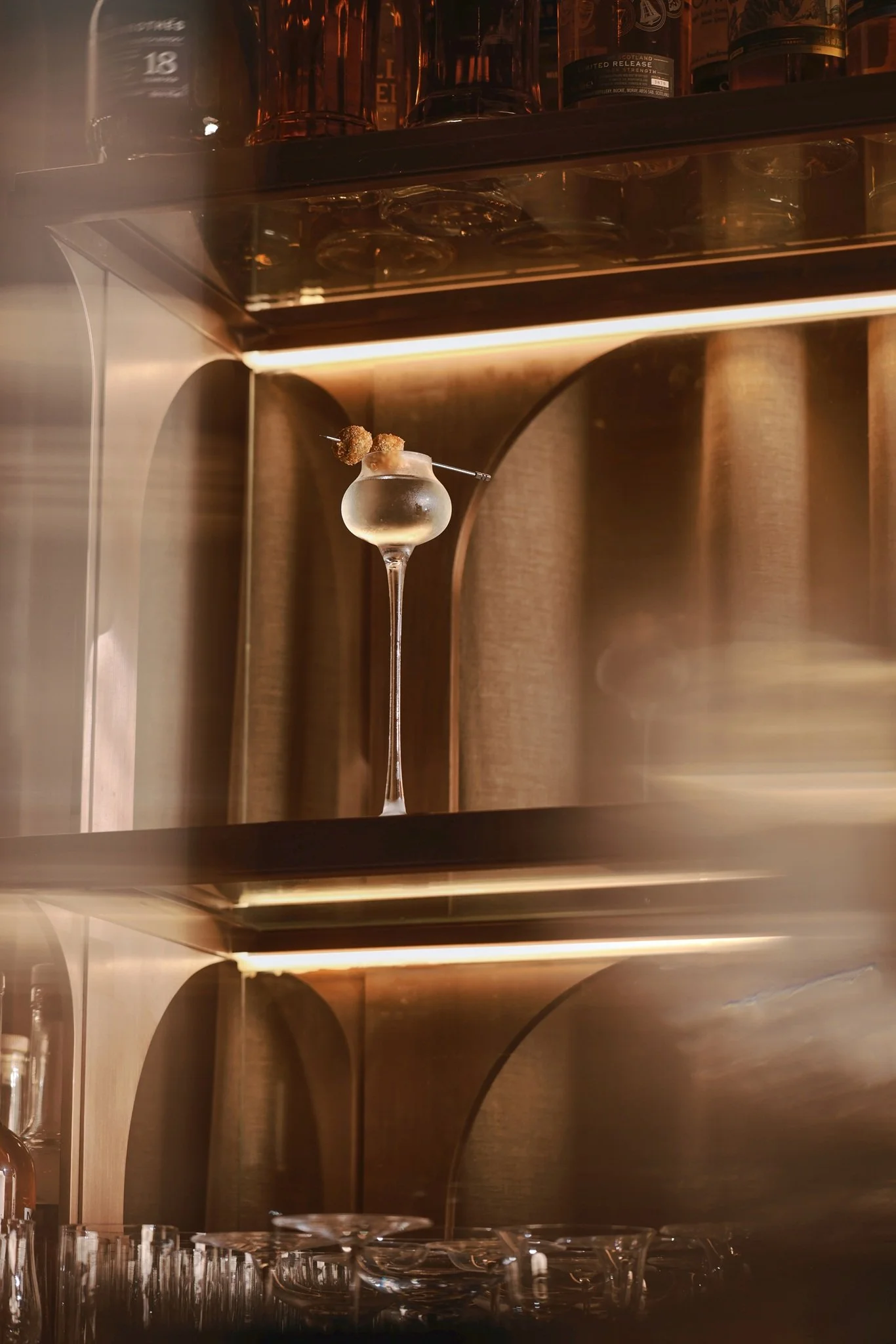
61 Martini
Akoya
Akoya: A Ceremony of Taste in Turin's Historic Heart
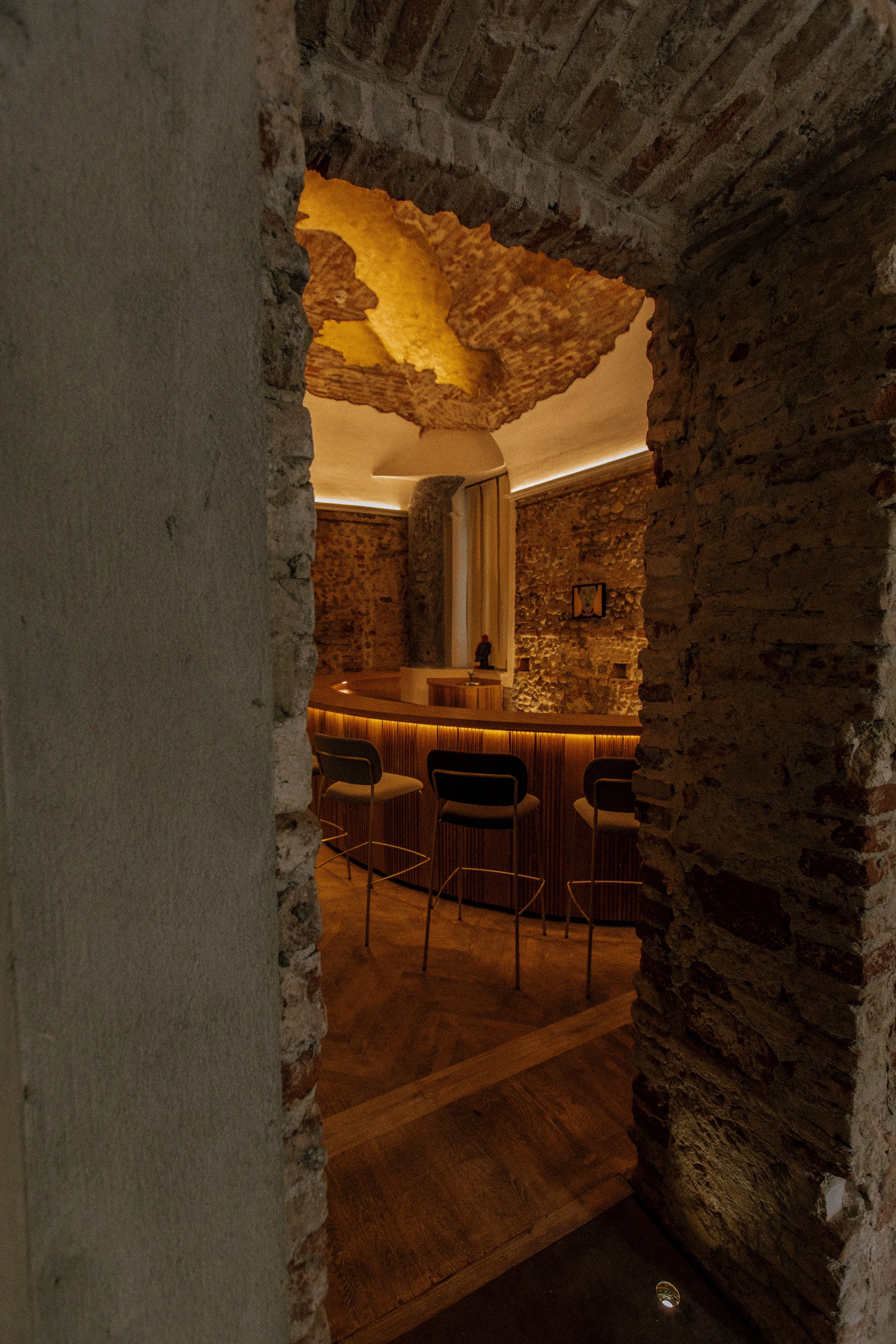
Turin has always carried a certain understated grace, and its dining landscape has just welcomed a worthy addition. Akoya, which opened in September 2025 inside a lovingly restored 16th-century palazzo, is reshaping how the city engages with Japanese cuisine.
Located within the stunning Spazio Musa at Via della Consolata 11/E, the restaurant is the shared vision of Michelin-starred chef Christian Mandura — known for Unforgettable — and Chef Alessandro Daddea. Joining Mandura and Daddea in the kitchen is the young talent talent Matilde Pangrazi.
The Canvas: Spazio Musa Before even reaching the dining room, guests are immersed in the creative energy of Spazio Musa. Housed in this meticulously restored palazzo, it functions as a dynamic, multi-level gallery and cultural hub where contemporary art exhibitions and striking installations breathe modern life into ancient architecture. Wandering through its vaulted, art-filled corridors acts as a breathtaking prelude to the meal. It adds an undeniable layer of sophistication to the evening, bridging the visual arts of the gallery with the culinary craftsmanship waiting just around the corner.
Don't come expecting a conventional sushi bar or a concept built on trends. Akoya is rooted in restraint: a place where the pace softens and a meal becomes something closer to a ceremony.
"Turin was missing a true signature Japanese restaurant," Mandura explains. "Not a sushi bar, not a commercial concept — a place that treats Japanese ingredients with the same seriousness I bring to cooking in general."
What they've built is a considered conversation between Japanese precision and European sensibility. Exposed historic brickwork sits alongside clean lines of wood and gold. The lighting is deliberate; the mood, almost suspended. "The environment doesn't invade," says Mandura. "It accompanies."
Akoya divides its offering into two distinct but complementary experiences, each suited to a different kind of evening.
The Lounge: A Fluid Prelude
Open from 6:00 PM to midnight, the Lounge caters to the pre-dinner aperitivo crowd and those winding down after dark. Under the direction of bartender Simone Tasini, formerly of Three Sheets London, the cocktail menu draws on classic Japanese pantry staples — yuzu, wasabi, matcha, miso — to striking effect.
The Mugicha Highball: Made with Nikka whisky, roasted barley tea, cedarwood, and soda, this proved an ideal companion to the opening acts of the omakase.
The Miso Old Fashioned: A blend of bourbon, miso, and Lapsang tea that arrived at exactly the right moment alongside the sweeter dishes of the third act.
The Omakase: The Necessity of Essence
The true heart of Akoya beats in the Sala Italia, where no more than ten guests per night are seated at a sweeping curved American oak counter for a 15-course omakase that shifts daily.
The evening unfolds in three deliberate acts:
Act I: Opens with inventive starters that marry Japanese technique with exceptional produce — an oyster brightened with yuzu, and a calamaro somen in which squid is sliced so finely it mimics the look and delicacy of noodles.
Act II: This is where the team’s commitment to craft comes fully into focus. Every dish is prepared in front of guests using locally sourced daily catches and Koshihikari Minami-Uonuma, widely regarded as among the finest sushi rice available anywhere. Standouts included a flawless sea bream nigiri and a rich toro hand roll.
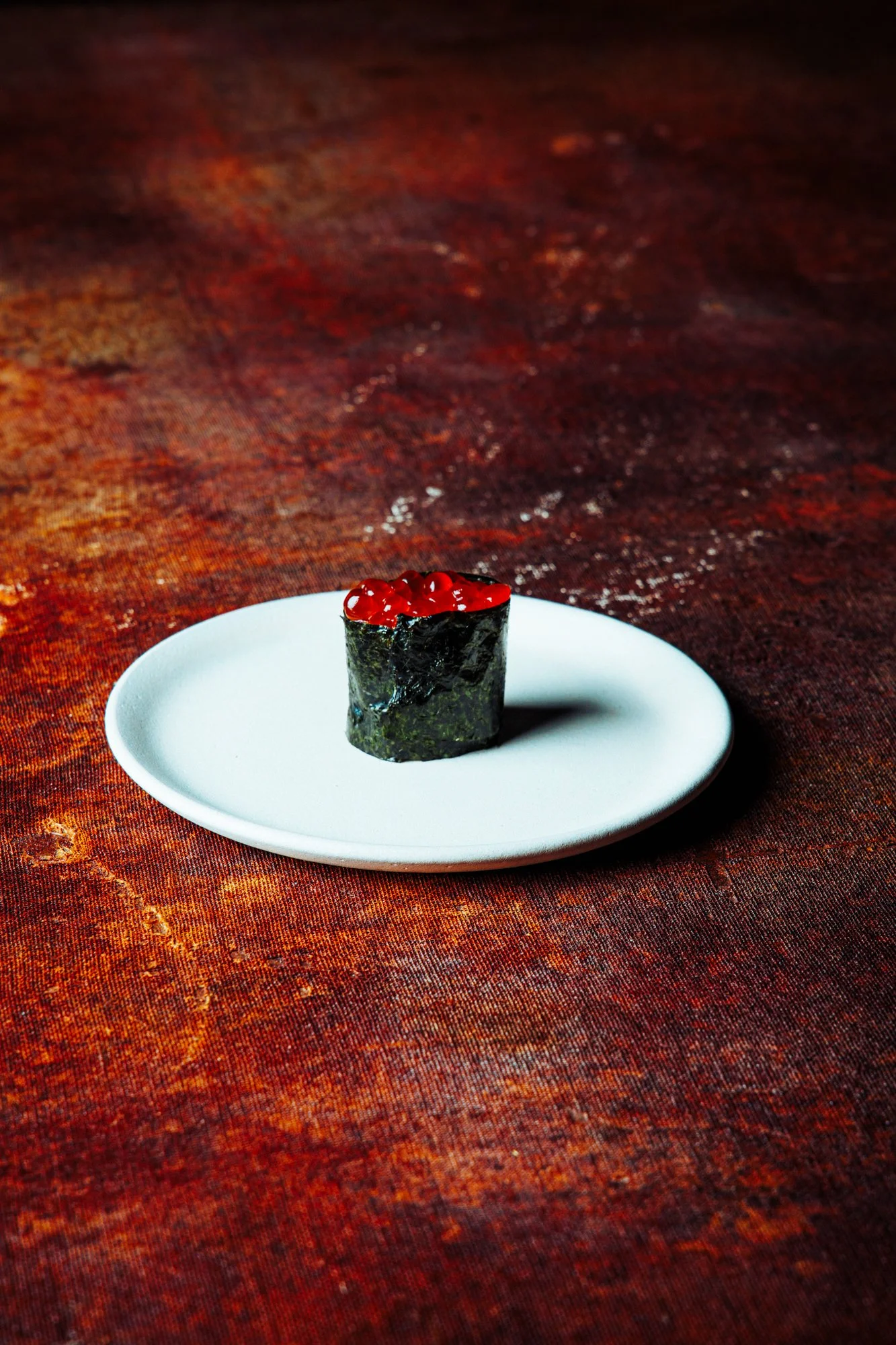
Act III: Closes the journey on a playful note — a chocolate mochi paired unexpectedly with caviar, followed by petit fours and a digestif from the bar.
With Akoya, Mandura, Daddea and Pangrazi have produced something that feels simultaneously steeped in tradition and alive in the present. Surrounded by the creative pulse of Spazio Musa's art exhibits, the restaurant transcends simple dining. Whether you settle into the Lounge for a carefully crafted cocktail or give yourself over to the full omakase at the oak counter, Akoya is the kind of place you don't just visit — you inhabit it.
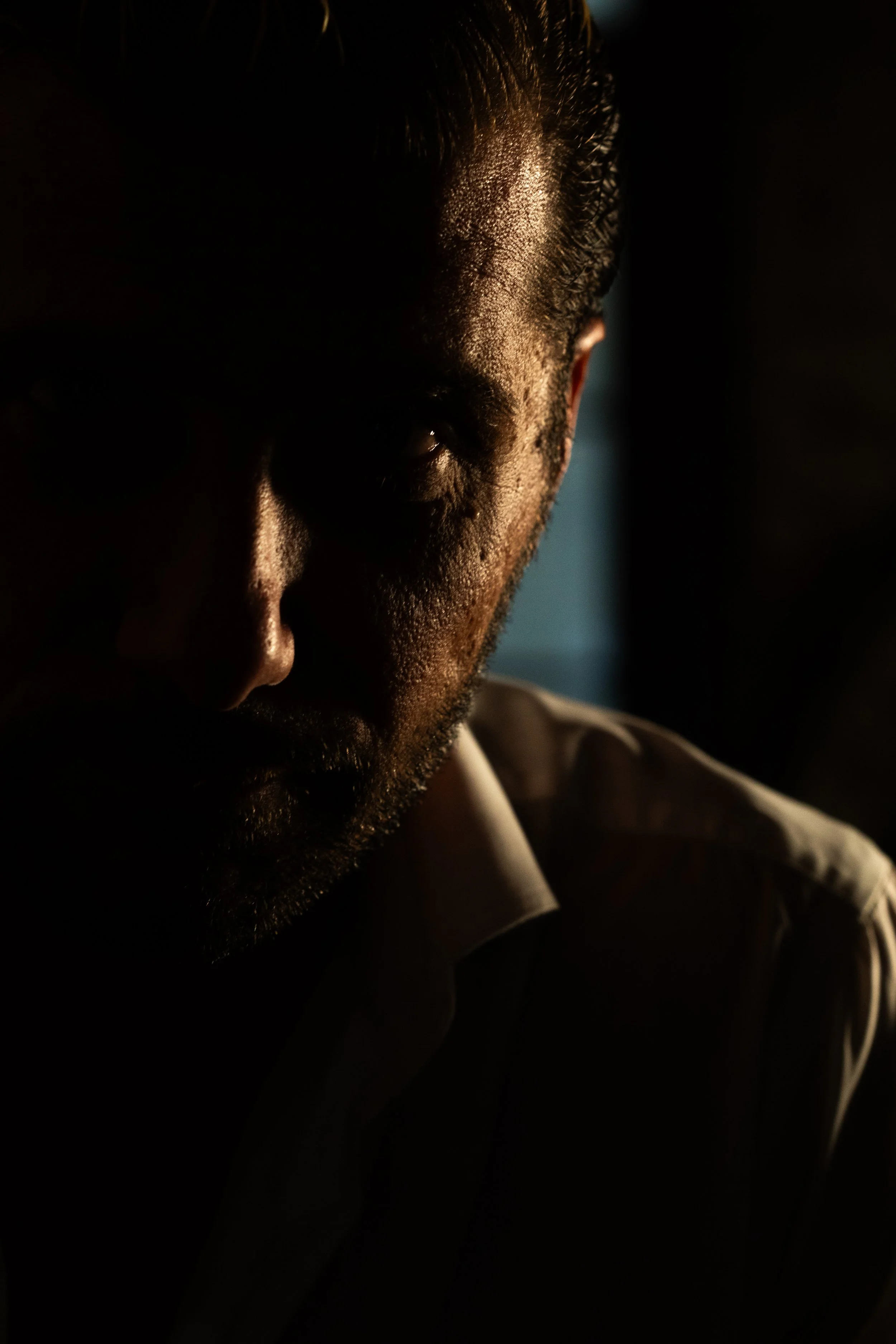
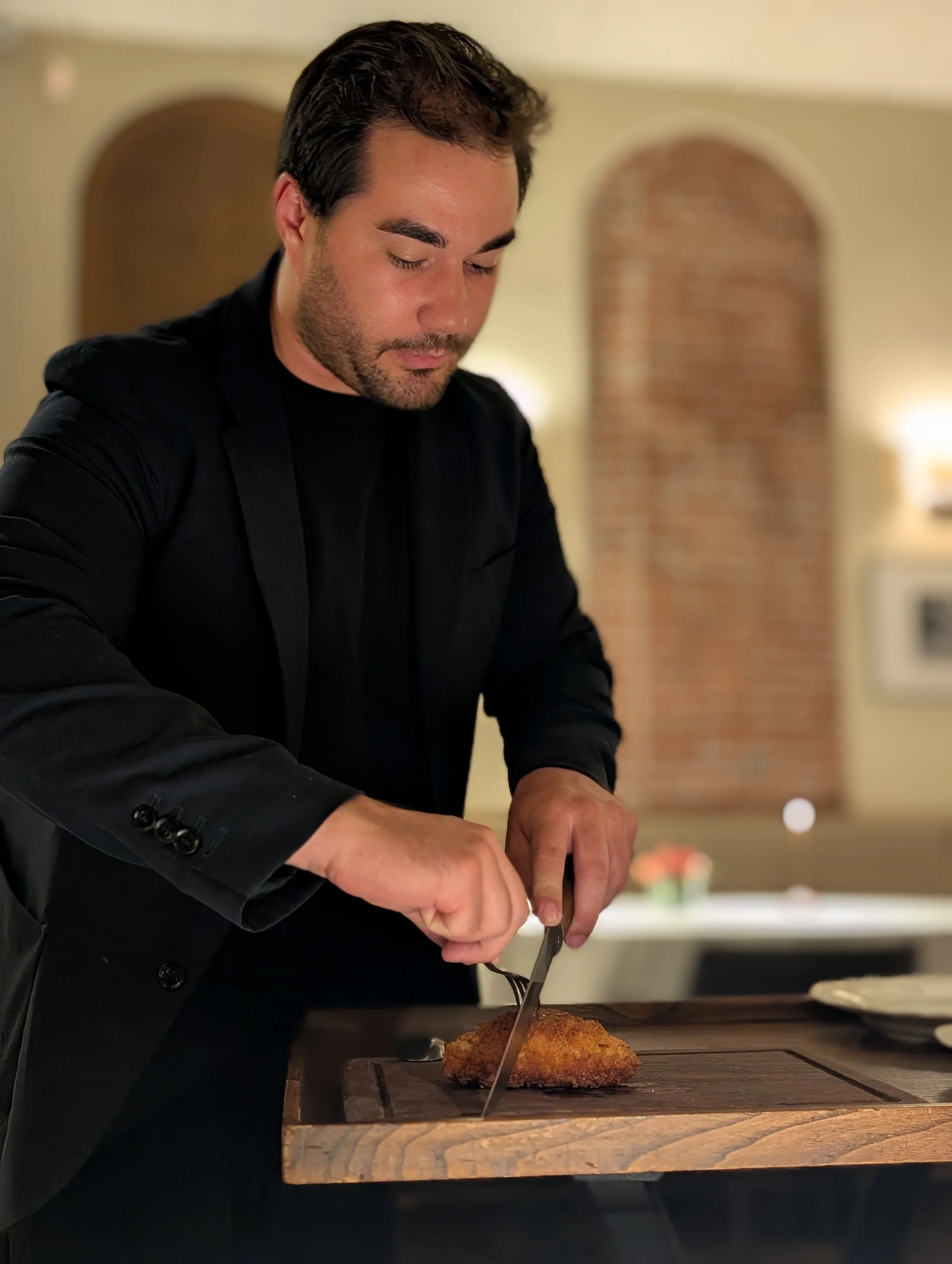
Christian Mandura
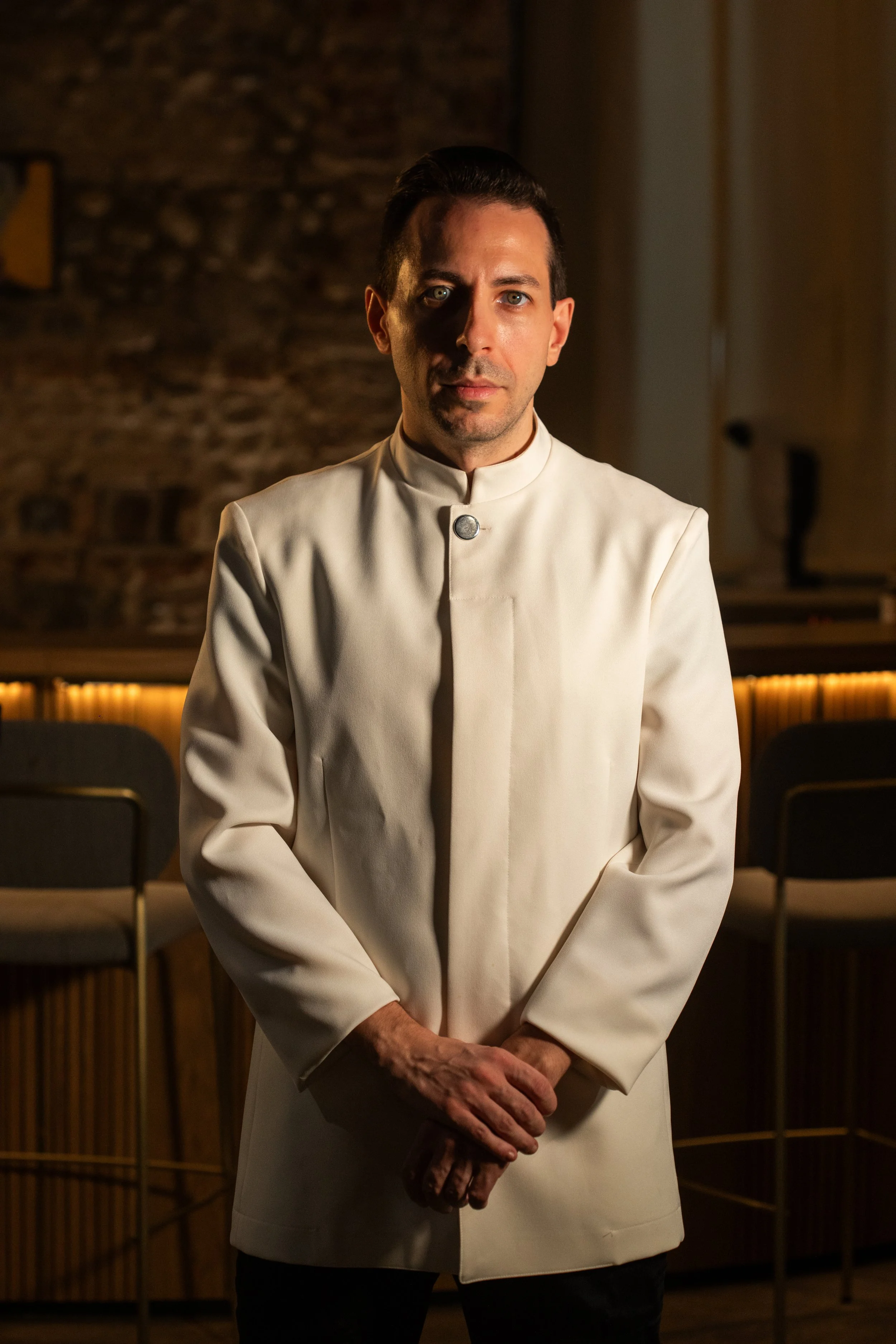
Alessandro Daddea
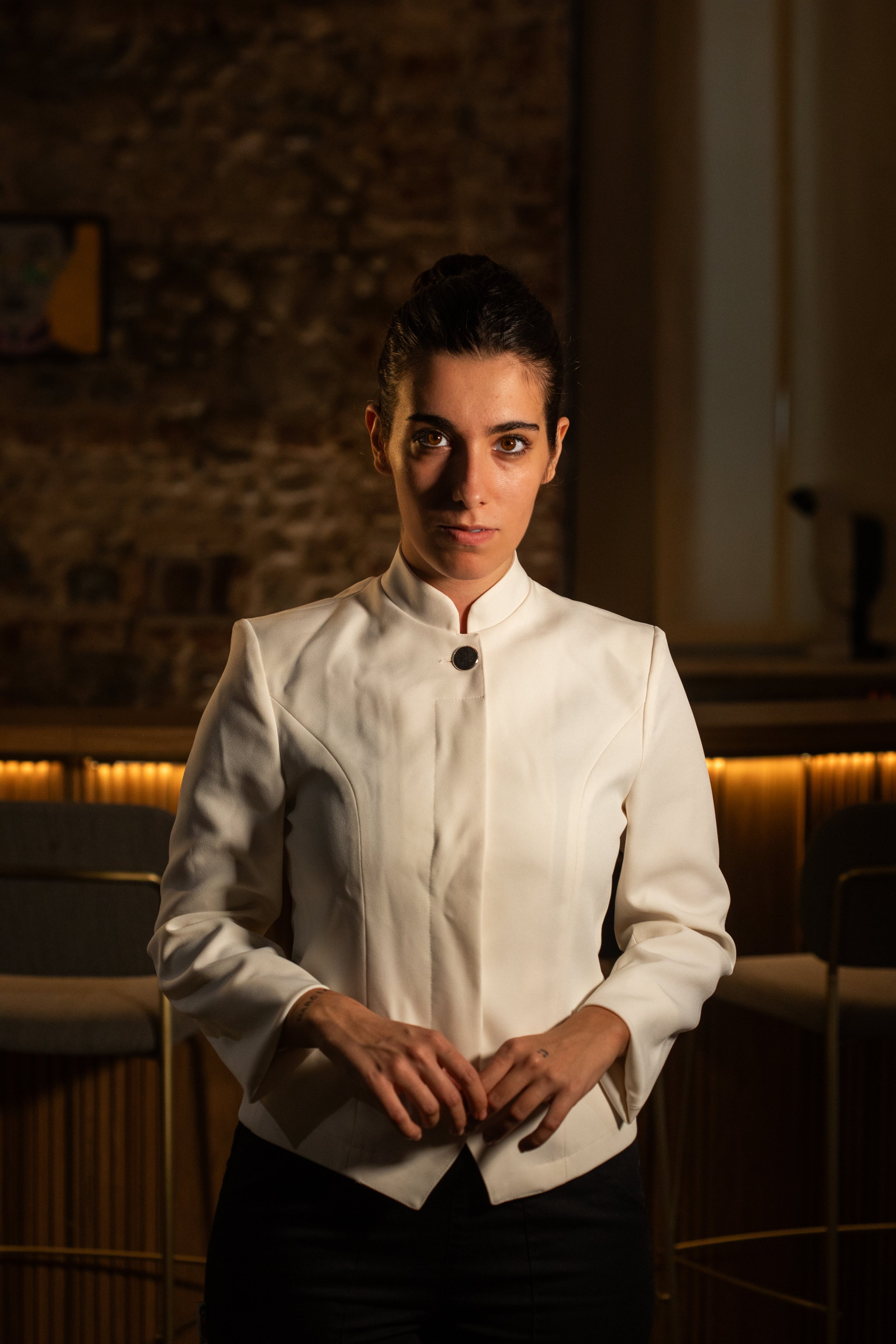
Matilde Pangrazi
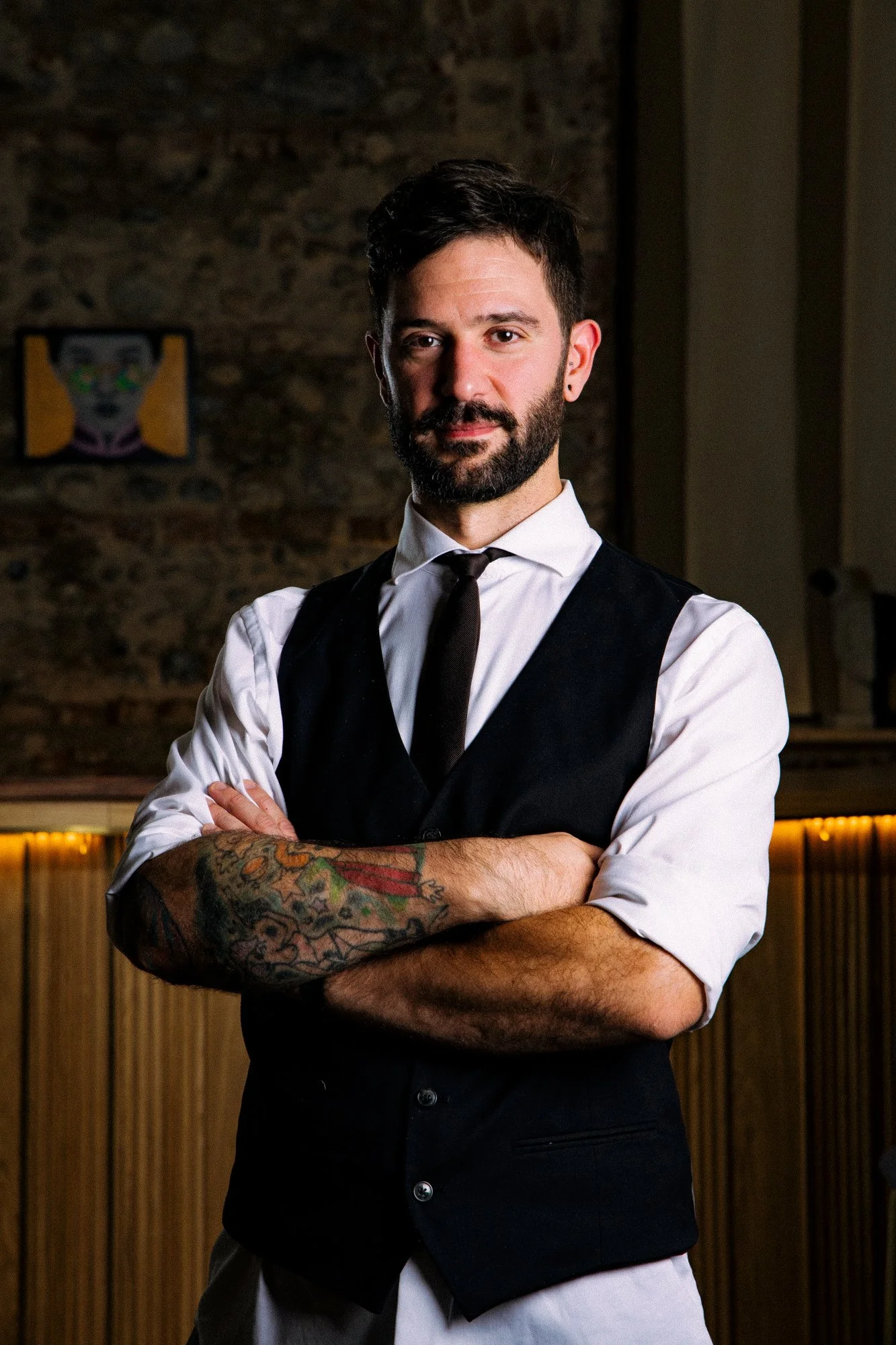
Simone Tasini
Torino ha sempre avuto una certa eleganza discreta, e il suo panorama gastronomico ha appena accolto un'aggiunta di grande valore. Akoya, inaugurato a settembre 2025 all'interno di un palazzo del Cinquecento sapientemente restaurato, sta ridefinendo il modo in cui la città si approccia alla cucina giapponese.
Situato all'interno dello splendido Spazio Musa in Via della Consolata 11/E, il ristorante è la visione condivisa dello chef stellato Christian Mandura — noto per Unforgettable — e dello Chef Alessandro Daddea. Ad unirsi a Mandura e Daddea in cucina c'è il giovane talento Matilde Pangrazi.
La Tela: Spazio Musa
Prima ancora di raggiungere la sala, gli ospiti vengono immersi nell'energia creativa dello Spazio Musa. Ospitato in questo palazzo meticolosamente restaurato, lo spazio funge da dinamica galleria su più livelli e polo culturale, dove mostre d'arte contemporanea e installazioni sorprendenti infondono linfa vitale moderna in un'architettura antica. Passeggiare attraverso i suoi corridoi a volta, carichi d'arte, funge da preludio mozzafiato alla cena. Aggiunge un innegabile livello di raffinatezza alla serata, facendo da ponte tra le arti visive della galleria e la maestria culinaria che attende proprio dietro l'angolo.
Non venite aspettandovi un classico sushi bar o un concept basato sulle mode del momento. Akoya affonda le sue radici nell'essenzialità: un luogo in cui il ritmo rallenta e il pasto diventa qualcosa di più simile a una cerimonia.
"A Torino mancava un vero ristorante giapponese d'autore," spiega Mandura. "Non un sushi bar, non un format commerciale, ma un posto che tratta gli ingredienti giapponesi con la stessa serietà che dedico alla cucina in generale."
Ciò che hanno costruito è una conversazione colta e ponderata tra la precisione giapponese e la sensibilità europea. I mattoni storici a vista si fondono con le linee pulite del legno e dell'oro. L'illuminazione è studiata nei dettagli; l'atmosfera, quasi sospesa. "L'ambiente non invade," dice Mandura. "Accompagna."
Akoya divide la sua offerta in due esperienze distinte ma complementari, ciascuna adatta a un diverso tipo di serata.
La Lounge: Un Preludio Fluido
Aperta dalle 18:00 a mezzanotte, la Lounge si rivolge al pubblico dell'aperitivo pre-cena e a chi desidera rilassarsi dopo il tramonto. Sotto la direzione del bartender Simone Tasini, ex del Three Sheets di Londra, il menu dei cocktail attinge agli ingredienti classici della dispensa giapponese — yuzu, wasabi, matcha, miso — con un effetto sorprendente.
Il Mugicha Highball: Realizzato con whisky Nikka, tè d'orzo tostato, legno di cedro e soda, si è rivelato il compagno ideale per gli atti di apertura dell'omakase.
Il Miso Old Fashioned: Una miscela di bourbon, miso e tè Lapsang, arrivata esattamente al momento giusto per accompagnare i piatti più dolci del terzo atto.
L'Omakase: La Necessità dell'Essenza
Il vero cuore di Akoya batte nella Sala Italia, dove non più di dieci ospiti a sera si accomodano attorno a un ampio bancone curvo in rovere americano, per un omakase di 15 portate che cambia ogni giorno.
La serata si svolge in tre atti ben precisi:
Atto I: Si apre con antipasti creativi che sposano la tecnica giapponese con materie prime eccezionali; un'ostrica ravvivata dallo yuzu e un somen di calamaro, in cui il mollusco è tagliato così finemente da imitare l'aspetto e la delicatezza dei tradizionali noodles.
Atto II: È qui che la dedizione del team all'artigianalità viene pienamente alla luce. Ogni piatto viene preparato davanti ai commensali utilizzando il pescato del giorno di provenienza locale e il Koshihikari Minami-Uonuma, ampiamente considerato tra le migliori varietà di riso per sushi al mondo. Tra i piatti forti, un impeccabile nigiri di orata e un ricco hand roll di tonno toro.
Atto III: Chiude il viaggio con una nota giocosa: un mochi al cioccolato abbinato inaspettatamente al caviale, seguito da piccola pasticceria e un digestivo servito dal bar.
Con Akoya, Mandura, Daddea e Pangrazi hanno dato vita a qualcosa che sembra, al tempo stesso, profondamente intriso di tradizione e vivo nel presente. Circondato dal battito creativo delle mostre d'arte dello Spazio Musa, il ristorante trascende la semplice ristorazione. Che ci si accomodi nella Lounge per un cocktail preparato a regola d'arte o ci si abbandoni all'esperienza completa dell'omakase al bancone di rovere, Akoya è quel tipo di luogo che non si limita a essere visitato: lo si abita.