Seoul
Seoul's drinking culture has undergone a remarkable transformation. For much of its modern history, the city's relationship with alcohol was defined by communal ritual: obligatory after-work dinners, shared soju, and freely poured makgeolli. Volume, not nuance, was the point. Over the past decade, a new generation of bartenders, shaped by global mixology yet deeply rooted in their culinary heritage, has turned its attention to Korea's native spirits and seasonal ingredients. The result has been a renaissance carrying Seoul onto the global stage as one of Asia's most compelling cocktail destinations, where craft and storytelling are taken as seriously as the drinks.
The scene is geographically varied, with each district offering a distinct character. In affluent Gangnam, the mood runs to polished glamour. Here you will find destination bars like Le Chamber and Alice alongside Zest, a benchmark for sustainable bartending. Across the river in Jongno, Seoul's historic heart and home to Gyeongbokgung palace, the setting shifts. The neighborhood carries its history lightly, including at Gong Gan, a modern bar drawing on the finest local ingredients. Presiding over it all, the legendary Charles H. at the Four Seasons continues to set the standard for hotel bar excellence, inviting comparison with the very best in New York or London.
Alice
Founded in 2014 by celebrated bar visionary Terry Kim, Alice Cheongdam is a speakeasy that whisks guests away from the energy of contemporary Seoul into an enchanting English manor. Situated in the upscale district of Gangnam, the bar is famously concealed behind a fully operational flower shop. To gain entry, visitors follow signs bearing a white rabbit before descending a staircase and slipping through a hidden door, a literal "rabbit hole" into another world.
Beyond the threshold, the playful exterior gives way to a refined, timeless bar atmosphere: plush leather seating, rich dark wood paneling, and a ceiling crafted to resemble an oversized chocolate bar. This contrast is no accident. It embodies Kim's founding vision: to marry world-class, high-end hospitality with a spirit of childlike curiosity and wonder.
The cocktail program draws deeply from Lewis Carroll's Alice's Adventures in Wonderland, weaving molecular techniques and theatrical presentation into every pour. Menus arrive dressed as a deck of playing cards or an illustrated storybook, and the drinks themselves are equally inventive. Hippity Hoppity pairs herb-infused green gin (dill, parsley, arugula) with ice wine, fino sherry, and the bright tang of apricot, kiwi, and pickled carrot. It is fresh, herbal, a little wild, and served in a memorable rabbit-shaped tiki mug. Thoughtful details abound, from a complimentary welcome tasting of fruit-infused spirit to a fresh white rose presented to every guest, cementing Alice Cheongdam as far more than a bar. It is a fully immersive fantasy.
Among the menu's standout creations, The Bordeaux Martini represents a laboratory-driven reimagining of the classic stirred cocktail. Served neat in a chilled Martini glass and finished with a savory mini Bocconcini cheese garnish, this pre-batched drink uses advanced culinary technology to deconstruct the traditional profiles of wine and vermouth, producing a clarified, tannin-rich liquid of remarkable depth.
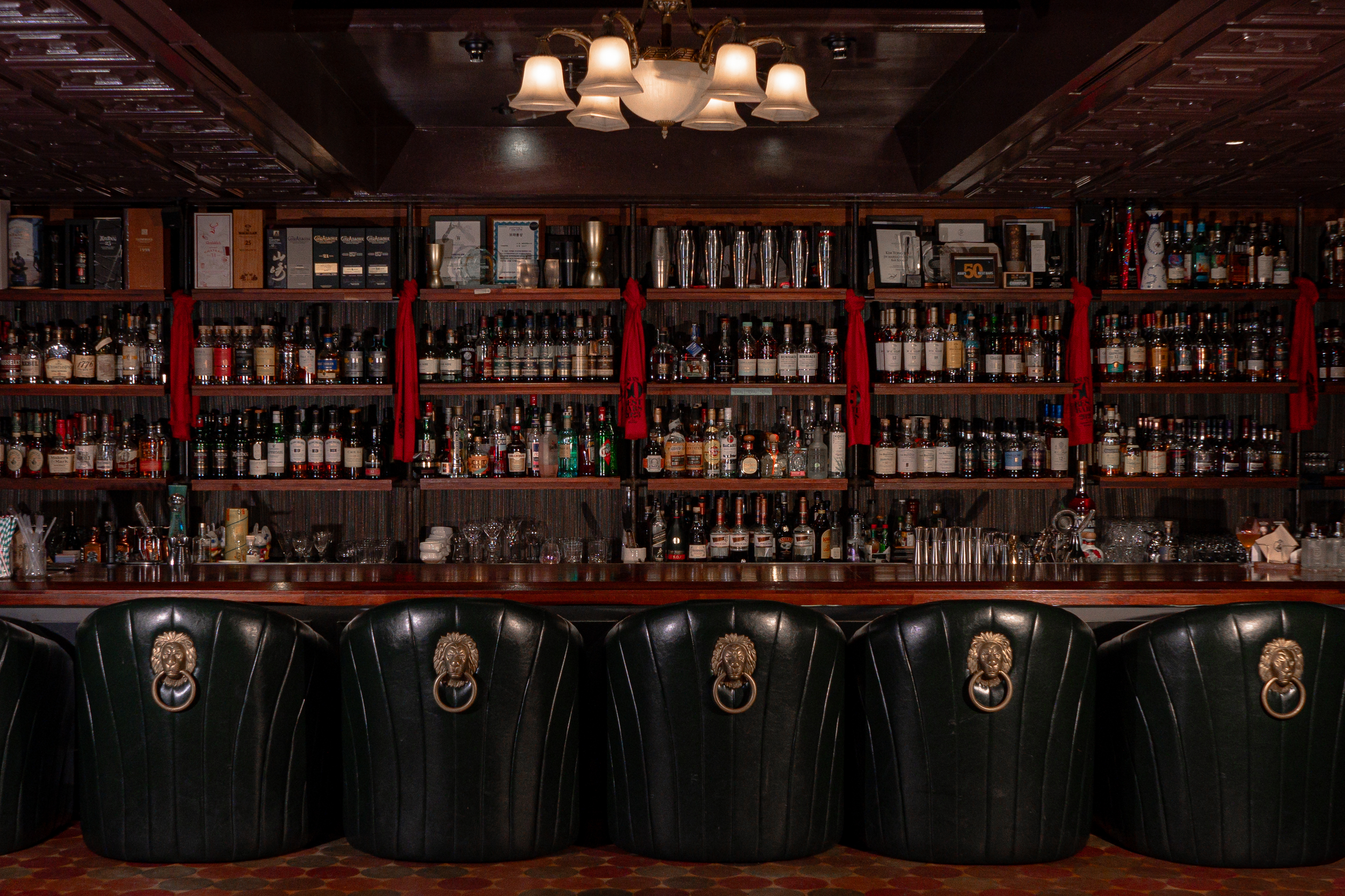
Alice
Le Chamber
Tucked beneath the tree-lined streets of Cheongdam-dong in Seoul's upscale Gangnam district, Le Chamber has earned its place as one of the city's most celebrated speakeasies. Opened in 2014 by two Diageo Reserve World Class-winning bartenders, Lim Jae-jin "JJ" and Eom Do-hwan, the bar was built around a singular idea: that drinking well should be a slow, deliberate, and deeply considered experience. The result is something between a classic bar and a literary sanctuary, where entry itself is part of the ritual. Guests must pull the correct book from a floor-to-ceiling bookshelf to reveal the hidden door beyond, a detail that has become one of Seoul's most iconic bar moments.
Inside, the 50-seat subterranean lounge more than justifies the effort. Soaring ceilings, plush leather seating, glittering chandeliers, and the soft accompaniment of live piano music create an atmosphere of unhurried elegance. Menus arrive bound in hardcover books and span both inventive signature cocktails, including the Chamber Story theatrically served inside a hollowed-out book, and an impressive collection of over 200 whiskies.
Bitter Sweet Kiss by Le Chamber bartender Miztar Lee is a love letter to Italian aperitivo culture. The name tells the story of the drink in three acts. The Bitter is anchored by a London Dry gin infused with Japanese shiso and basil, deepened by Campari and a whisper of celery bitters. The Sweet arrives through a botanical herb cordial built on a Chinese peach oolong tea base, lightened and refreshed by cucumber sonic water. The Kiss is the final flourish: a Peychaud's chocolate coating applied to the rim of the glass that slowly melts with each sip, introducing an evolving layer of richness that transforms the drink into a genuinely multi-dimensional aperitivo experience.
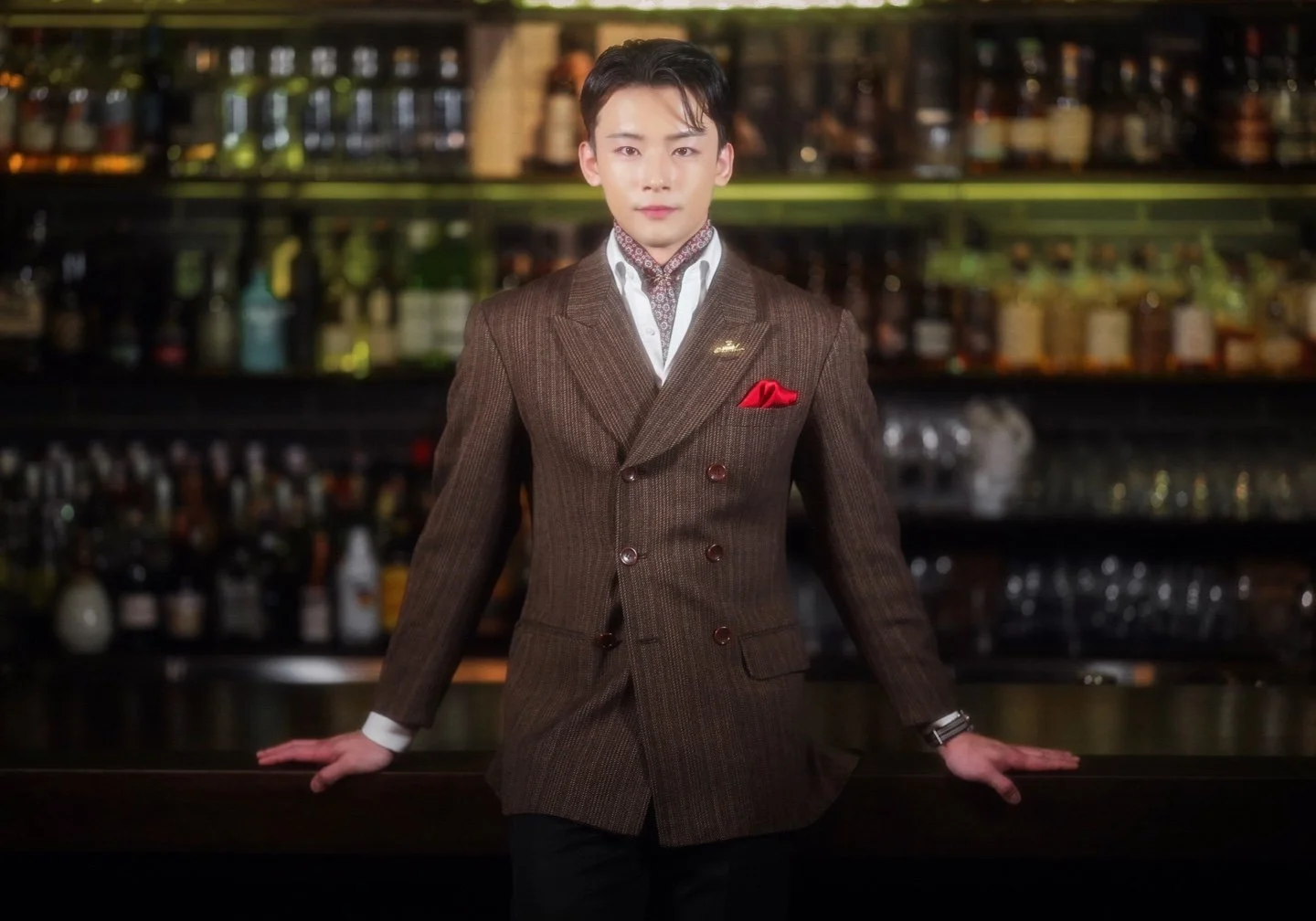
Miztar Lee of Le Chamber
Charles H. at Four Seasons
Hidden in the basement of Four Seasons Hotel Seoul, Charles H. stands among Asia's most celebrated and most elusive speakeasies. It was also one of the region's earliest champions of the Second Golden Age of cocktails, opening in 2015 just a year after Singapore's landmark Manhattan. The bar takes its name from Charles H. Baker Jr., the indefatigable bon vivant and author of the 1939 drinking classic The Gentleman's Companion, and carries that legacy with ease. Intimate and glamorous in equal measure, it is the kind of room where the world's most discerning drinkers feel instinctively at home.
That same restless spirit animates everything behind the bar. Head Bartender Odd Strandbakken and Beverage Creative Director Alyssa Heidt, whose careers between them have spanned continents, use Baker's legendary travels as their creative compass, revisiting the classic cocktails of the cities he passed through as viewed through a modern lens threaded with Korean seasonality and quiet technical precision.
Among the most memorable expressions of this philosophy is the Paper Crane, a riff on Sam Ross's Paper Plane, the modern classic he created at Milk and Honey for the 2007 opening of Chicago's Violet Hour. The original is a study in symmetry: equal parts bourbon, Amaro Nonino, Aperol, and lemon juice. The Paper Crane preserves that elegant architecture but replaces the bourbon with Japanese shochu and umeshu, landing somewhere lower in alcohol and arguably more nuanced than its source material.
Tucked within Charles H. like a room within a room, H. Bar opened on July 31, 2025, as Korea's first course-style cocktail experience within a hotel setting. The eight-seat, reservation-only enclave moves well beyond the conventional drinks order, pairing an inventive cocktail menu with small bites rooted in hyper-seasonal local produce and forward-thinking technique, resulting in a carefully considered progression from first pour to last.
Its standout creation is 100% Hallabong, a cocktail built entirely around one of Korea's most prized citrus varieties. The Hallabong is a seedless mandarin cultivar from Jeju Island, celebrated for its exceptional sugar content, intensely juicy flesh, and a flavor that walks the line between sweet and sour with uncommon grace. The drink honors the fruit in its entirety: a Hallabong-infused gin forms the base, a house-made juice and acid blend provides the sour backbone, and the sweetener is drawn from the pulp, skin, and pith, parts that might otherwise be discarded, macerated with fructose to coax out both depth and a quiet whisper of bitterness. Shaken and strained into a Crison Martini glass, it is a sour of real complexity; a cocktail that finds everything it needs within a single, exceptional ingredient.
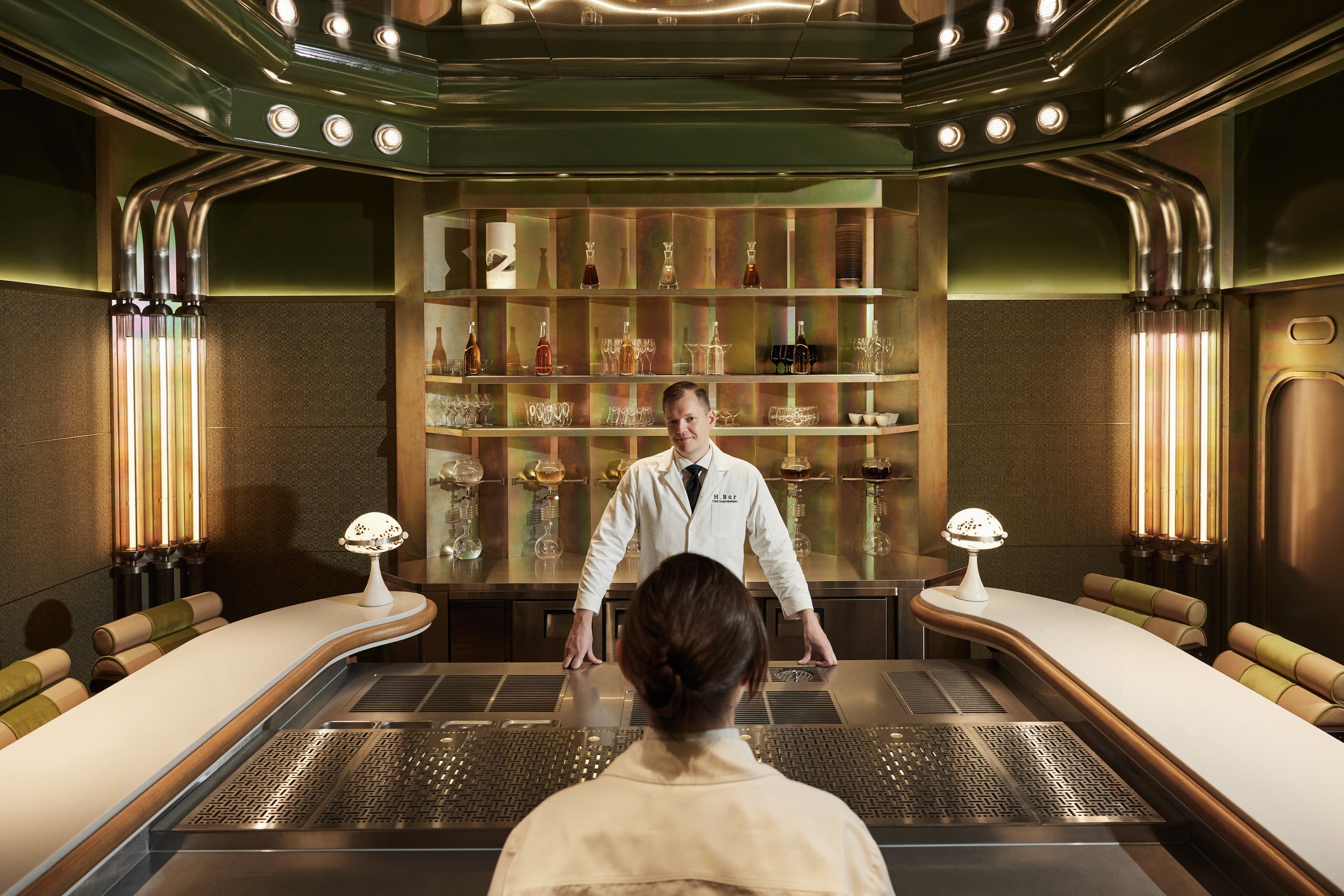
Odd Strandbakken and Alyssa Heidt inside H Bar at Charles H
Soko
Head down to the basement of a Hannam building, one of Yongsan-gu's most understated yet stylish neighborhoods, and you will discover Authentic Bar Soko. This is a place that treats cocktail culture not as a trend to chase, but as a living tradition worth honoring and preserving. Opened in 2017 by Soko Son, who had already made a name for himself on the international competition circuit, the bar is guided by a philosophy that sounds straightforward but demands everything. True hospitality and an unwavering dedication to craft are the only things that count.
The room tells you what kind of place this is before your first drink arrives. Drawing inspiration from Gyeongseong, Seoul's name during the Japanese colonial era, the interior borrows from the design language of legendary classic bars in Shanghai and Tokyo, while remaining deeply Korean at its core. The drinking culture of the 1920s runs through the space: warm lamp glow catching dark wood, carved furnishings, stained glass, and a long backlit bar stretching the full length of the room. It feels both familiar and like somewhere you are encountering for the very first time.
The team matches the space in care and caliber. Soko Son has represented Korea at the World Cocktail Championship twice and reached the global final of the Diageo World Class Competition. Alongside him, General Manager One Choi is a force in his own right, having won national titles at the World Class, Campari, and Havana Club competitions in Korea. Together they lead a team of sharply dressed bartenders, often found shaking in fluid, synchronized motion. This small detail captures the bar's wider spirit: precise, intentional, and genuinely delighted by the art of performance.
While many guests come to Soko for its exceptional classic cocktails, One Choi walks us through one of the most beloved signatures: the Sandalwood Highball. "At Soko Bar, we always burn sandalwood incense; it's our signature scent. Guests find the aroma deeply familiar and comforting, and they really love it. That feeling inspired this drink. It's layered and aromatic: bourbon infused with arugula-touched balsamic vinegar, woven through with the woody depth of sandalwood and palo santo, then brightened with lemon and ginger."
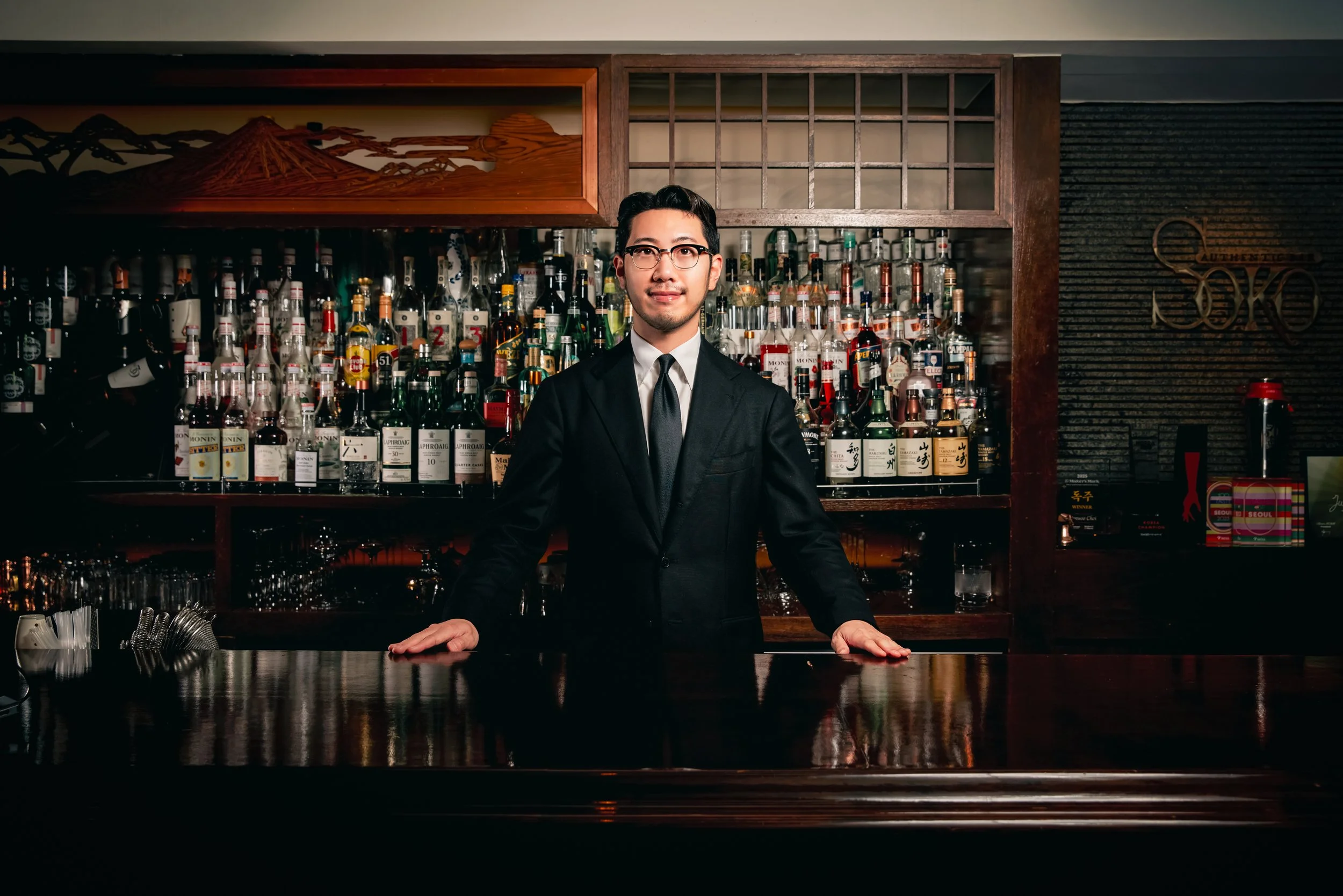
One Choi of Soko
Zest
When Zest opened in December 2020, in the depths of a global pandemic, it did so with a statement of intent built into its very name. A portmanteau of "Zero Waste," the bar was founded by four of Seoul's most respected bartenders: Demie Kim, Sean Woo, Jisu Park, and Noah Kwon. Located in the upscale Cheongdam district of Gangnam, Zest makes a point of standing apart from its neighbors. Where the area tends toward dim, hidden speakeasies, Zest occupies a bright, street-level space framed by large windows that cast a warm orange glow onto the pavement, a deliberate declaration that sustainability deserves to be seen, not concealed.
Every choice at Zest flows from one uncompromising principle: eliminating environmental impact without sacrificing flavor. All carbonated mixers, including gin, tonic, and cola, are produced in-house, cutting out glass and aluminum waste entirely. Leftover citrus peels are redistilled into the bar's house-made gin. The interior reflects the same thinking, replacing the traditional wall of bottles with a clean, laboratory-like aesthetic that puts process and raw ingredients on full display. Honey is sourced from urban beekeepers; herbs from local farms. It is a cocktail experience that is as ecologically considered as it is refined, one that has earned Zest the title of Best Bar in Korea.
Among Zest's most compelling menu offerings, the Soy Caramel is a savory-sweet riff on the Old Fashioned, built on fat-washed bourbon and aged rum, anchored by demerara sugar and a precise measure of soy sauce.
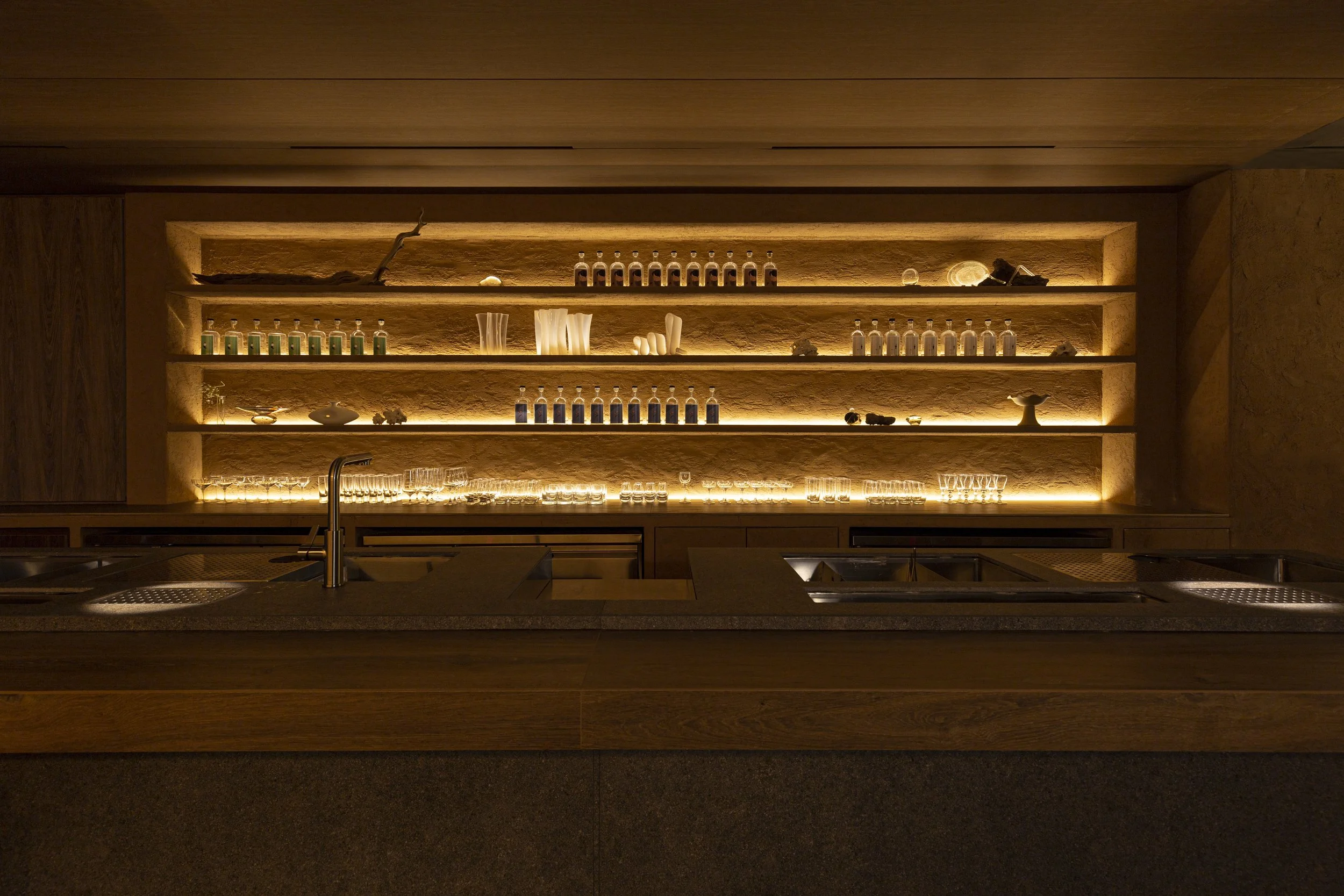
Zest
Gong Gan
Established in 2022 by Willy Park and Evan Noh, Gong Gan bridges the gap between old Seoul and new. The bar is housed in a traditional hanok, where classic Korean architecture meets contemporary flair and a clean, milk-white Scandinavian sensibility. A lush central courtyard anchors the space, drawing in natural light and lending the intimate interior a sense of calm that encourages guests to slow down and stay a while. But Gong Gan is more than a pretty space; the founders built it on a foundation of environmental responsibility and community care. The team follows a zero-waste philosophy, repurposing leftover cocktail ingredients into bar snacks, while also giving back through events for people with disabilities and donations to those in need.
The drinks menu reads like a personal diary, drawing on the team's fondest childhood memories and the rhythms of Korea's changing seasons. Ingredients aren't simply combined for flavor. They are chosen to tell a story, with each cocktail acting as a small window into local life and culture.
Among the standout creations is Si-Jang, a cocktail inspired by the sights, sounds, and smells of a traditional Korean market. As co-founder Willy Park explains, “Si-Jang was born from a shared childhood ritual of trailing my parents through bustling market stalls, ending always at a snack vendor near the exit, a memory that now feels like a lifetime ago.” The cocktail itself is sweet and sour with layers of complexity, mixing Igangju, blended from Soju, pear, cinnamon and honey, along with bourbon whiskey, lemon juice, and a roasted rice and banana beer.
Seoul is now one of Asia's most exciting cocktail destinations, shaped by bartenders blending contemporary techniques with native spirits and seasonal ingredients. Spread across distinct neighborhoods, from Gangnam's glamour to Jongno's historic streets, the scene thrives on creativity, craftsmanship, and storytelling. Venues like Alice, Le Chamber, Charles H., Soko, Zest, and Gong Gan each bring unique philosophies to the glass, utilizing immersive theater, sustainability, and personal narratives rooted in Korean culture.
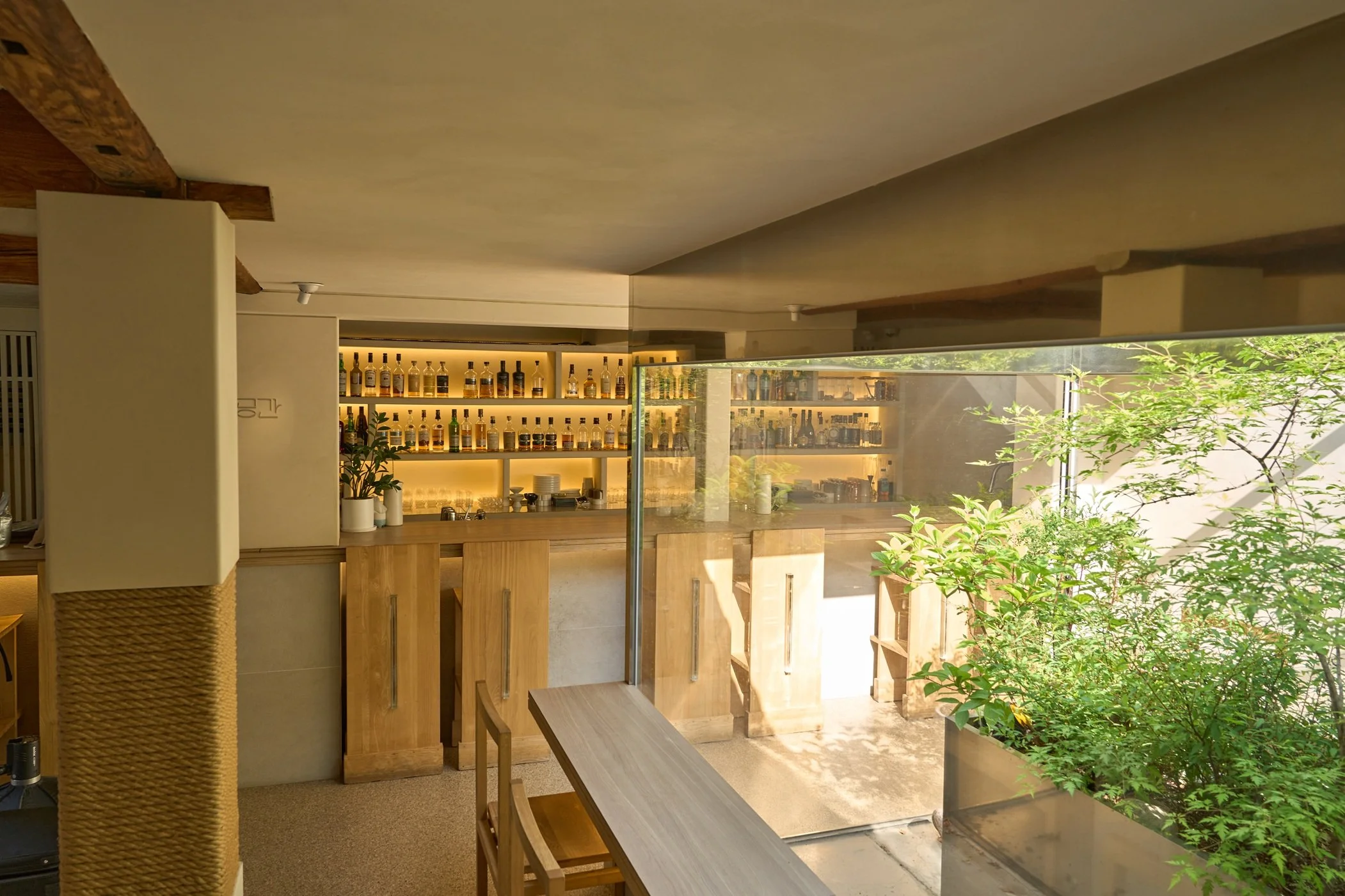
We asked Korean bar expert Heeran Chun of GQ Korea about the future of Seoul's bar scene:
"Korea is undergoing fascinating changes. Beyond flagship venues, distinctive new bars with playful energy are emerging in non-traditional districts, led by younger bartenders at places like MooGeunBon, Ace Four Club, Notes, Kiez, and The Mix Lab.
Watching this new generation emerge is exciting, supported by a strong sense of community and collaboration, like the Wonder Bridge initiative launched by Alice to connect different industry generations. Another growing trend is the deeper dialogue between the gastronomy and bar worlds, fueled by the success of Netflix's Culinary Class Wars in 2024 and 2025. While wine pairings have been common, pairing cocktails with dining was rare until now. I believe Korea's bar scene will expand significantly through this growing connection with gastronomy."